
Honor Launches X7e Smartphone in Russia Featuring 7200mAh Battery and AI Shortcut Button
July 21, 2026
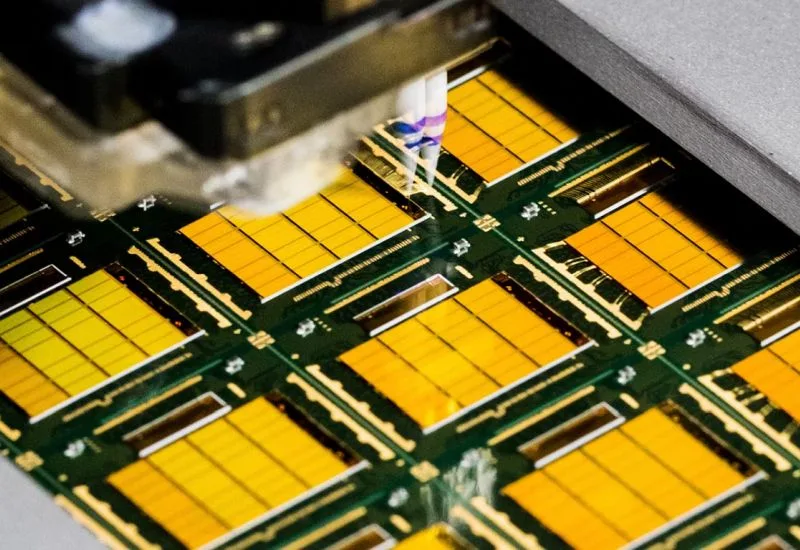
The market for memory chips is experiencing a significant shift as prices in the spot segment are now updated on an hourly basis. This rapid price adjustment model is reshaping how memory components are purchased, creating substantial challenges for small electronics manufacturers.
According to reports referencing industry sources, about 100 major buyers dominate the allocation of available memory chips. In contrast, more than 190,000 smaller companies find themselves largely excluded from effective participation in this market due to the accelerated pricing cycles and limited supply.
Previously, price changes in memory chips tended to occur on a daily or weekly basis, allowing smaller manufacturers to plan their purchases more strategically. However, the adoption of an hourly pricing model has introduced increased volatility and unpredictability, raising barriers for companies with less buying power and fewer resources.
This dynamic benefits large purchasers who can leverage their scale and faster decision-making capabilities to secure inventory at advantageous prices. Small-scale producers, meanwhile, encounter difficulties responding quickly enough to shifting price points and securing sufficient quantities of memory chips for their production needs.
The resulting market environment is characterized by an uneven distribution of limited memory supply. Larger entities are effectively monopolizing available stock, leaving smaller players unable to compete effectively and at risk of interruptions in their manufacturing processes.
Industry analysts point to this development as a manifestation of broader supply chain constraints and heightened global demand for semiconductor components. The hourly price revision strategy appears to be a response aimed at better matching supply with real-time demand, albeit with unintended consequences for market inclusivity.
Small electronics manufacturers, often driving innovation and niche product development, may face stunted growth if access to key components like memory chips remains constrained. The evolving pricing mechanism underscores ongoing challenges in achieving balance within semiconductor markets, where supply-demand dynamics rapidly shift, impacting stakeholders of varied sizes differently.
While the precise details regarding the pricing methodology and distribution mechanisms remain under close observation, the current trends stress the importance of developing strategies to support smaller manufacturers in navigating highly volatile component markets.
Frequent hourly price changes in memory chips concentrate purchases among large buyers, sidelining thousands of small electronics producers.