
TSMC Plans $265 Billion Investment to Expand U.S. Chip Manufacturing Amid Rising Competition
July 20, 2026
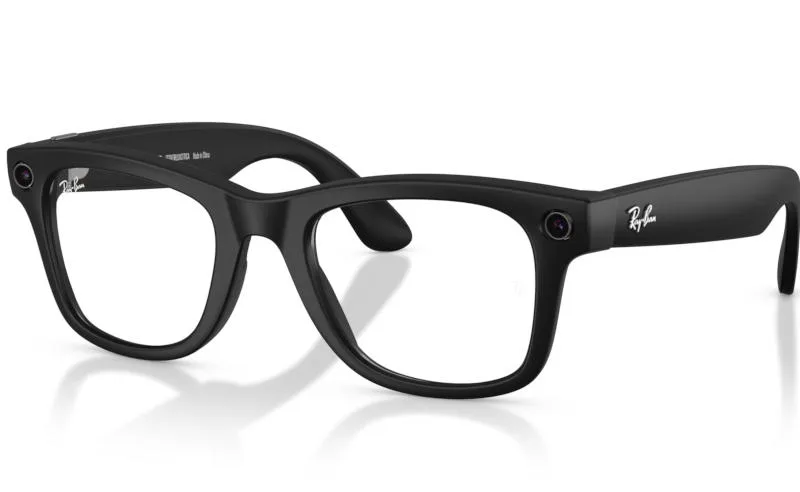
Meta’s AI training methodology involving video footage captured by Ray-Ban smart glasses has sparked significant privacy concerns. Users’ recordings, including intimate moments and sensitive scenes, are not only stored on the devices but are also uploaded to Meta’s cloud infrastructure for analysis.
What has amplified these privacy discussions is the revelation that the cloud-stored video content undergoes examination by both automated AI algorithms and live human reviewers. The human review process reportedly takes place in Kenya, where individuals watch various video segments to help train and refine Meta’s artificial intelligence systems.
The incorporation of real-world recorded video data into AI training frameworks has been recognized as a valuable approach for improving system accuracy and contextual understanding. However, when sensitive, private, or explicit content is included in the training datasets, it raises critical concerns about user consent, data protection, and oversight.
The fact that Meta’s smart glasses capture and upload personal footage to the cloud increases the risk of unintended exposure of intimate or confidential moments. Furthermore, the involvement of human reviewers sourced externally to analyze this data highlights potential vulnerabilities in safeguarding user privacy during the AI development lifecycle.
Meta has not disclosed detailed information regarding safeguards, consent mechanisms, or how users are informed about the handling of their data for AI training purposes. The company’s approach points to a broader conversation emerging within the tech industry about balancing innovation in AI with respect for personal privacy and ethical data management.
As AI technologies continue to incorporate multimedia inputs like video, the scrutiny on how companies protect user-generated content and maintain transparency around data use is expected to increase. The case involving Meta and Ray-Ban smart glasses serves as a notable example of these ongoing challenges.
Meta’s use of Ray-Ban smart glasses video, including intimate footage, for AI training raises privacy concerns as human reviewers in Kenya examine the content.