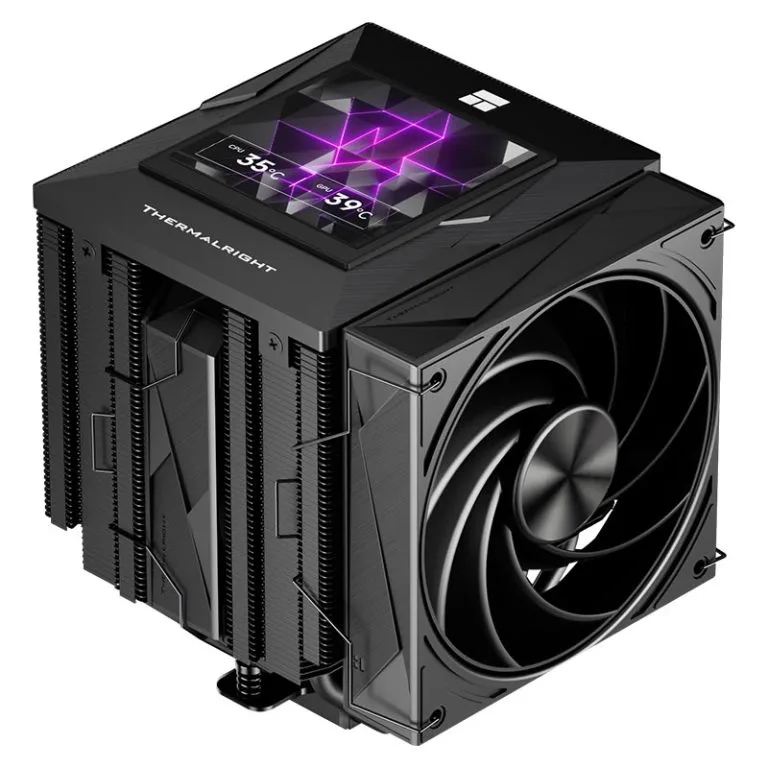
Thermalright Introduces Royal Pretor 130 Vision Cooler with Integrated 3.95-Inch Color Display
July 21, 2026

French tech firm Biomemory has announced ambitious plans to implement DNA-based data storage solutions in operational data centers as early as the second half of 2026. This development marks a significant step forward in data storage technology, which until recently had been viewed primarily as theoretical or experimental.
Biomemory’s move toward integrating DNA as a medium for data storage follows its acquisition of key assets from the American pioneer Catalog Technologies. Catalog has been at the forefront of advancing DNA data writing techniques and exploring computational processes using DNA molecules. The transfer of intellectual property and technology from Catalog is expected to expedite Biomemory’s efforts to scale the technology for real-world data center applications.
DNA data storage is considered a revolutionary approach because it can offer extraordinary storage density and longevity compared to conventional silicon-based media. Traditional data storage technologies face increasing challenges around capacity limits, energy consumption, and durability, which DNA storage aims to address by encoding digital information into the sequences of synthetic DNA strands.
While research into DNA storage has been ongoing for years, the technology has remained largely in the prototyping and laboratory stages due to cost and complexity challenges. Biomemory’s initiative to bring the technology into commercial data center environments represents a crucial milestone, potentially bridging the gap between cutting-edge science and practical infrastructure needs.
The company has not disclosed detailed timelines beyond the general target of late 2026, nor specific pricing, capacity, or performance metrics for their DNA storage systems. However, the announcement signals growing confidence that DNA data storage can evolve from a futuristic concept into a viable option for large-scale, secure, and energy-efficient data archiving.
If successful, Biomemory’s technology could pave the way for a new generation of data centers capable of handling exponentially increasing amounts of information while reducing environmental impacts traditionally associated with massive digital storage farms. This development aligns with broader industry trends emphasizing sustainability and innovation in data management solutions.
As the demand for data storage continues to skyrocket due to advances in artificial intelligence, cloud computing, and big data analytics, alternatives like DNA storage may become increasingly critical to addressing global infrastructure needs. Biomemory’s forthcoming deployment will be closely watched as a key indicator of whether DNA data storage can transition from laboratory curiosity to mainstream technology within the coming years.
Biomemory plans to deploy DNA-based data storage in data centers during the second half of 2026, following its acquisition of Catalog Technologies.