
Popular PC Components in Russia Highlight Nvidia RTX 50 Series and 1TB NVMe SSDs
July 21, 2026
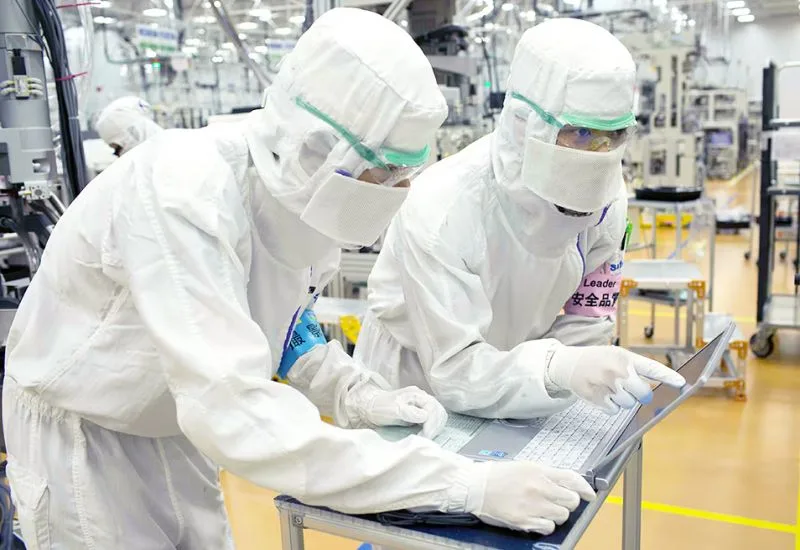
Japan is seeking to reclaim its position in the semiconductor industry by targeting a substantial share of the global market for chips that power robots and other artificial intelligence (AI) devices. The country’s new government has set an ambitious objective to hold up to 30 percent of this market by the year 2040.
During the 1980s, Japan was a dominant force in the semiconductor sector, with its companies leading the production and innovation of chips worldwide. However, over subsequent decades, the nation lost its competitive edge due to various economic and strategic challenges. Despite this, efforts to revive its semiconductor industry have gained renewed momentum.
The focus on chips specifically designed for “physical AI”—a term encompassing robotics and intelligent hardware—underscores Japan’s strategic emphasis on emerging technologies that integrate AI into physical devices. This sector is expected to see significant growth in coming years as AI applications expand beyond software to more tangible platforms.
By aiming for a 30 percent market share, Japan intends to position itself as a global leader in the production of critical components required for advanced AI-powered machinery. Such an initiative fits into broader national ambitions to enhance technological sovereignty, foster innovation ecosystems, and stimulate economic growth through high-tech manufacturing.
Details regarding the specific strategies, investments, or partnerships to achieve this goal have not been elaborated publicly. Japan’s plan reflects a longer-term view, recognizing that rebuilding semiconductor capabilities will require coordinated efforts across research, industrial policy, and international collaboration.
This push comes at a time when global competition in semiconductor manufacturing is intensifying, with multiple countries seeking to secure supply chains for advanced chip technologies due to their growing importance in AI, robotics, and other cutting-edge fields.
The ambition to regain a prominent position in semiconductor manufacturing highlights how Japan is addressing past setbacks. Previously a leader in this arena, Japanese companies had to contend with several factors, including shifts in global production centers, increased international rivalry, and technological changes that challenged their market share.
Renewed governmental support aims to nurture domestic capabilities and encourage advancements in the design and fabrication of AI-specific chips. These components are essential for enabling autonomous systems, smart robotics, and interconnected devices that form the backbone of future technological trends.
Japan’s strategy aligns with broader trends in the global tech industry where nations are investing heavily in semiconductor technology to underpin AI development and physical device innovation. Achieving a one-third share of the AI chip market by 2040 would mark a significant turnaround and re-establish Japan as a key player in advanced technology manufacturing.
As international demand for AI-integrated hardware grows, Japan’s efforts to revitalize this sector may play a crucial role in shaping the future landscape of semiconductor production and AI device deployment worldwide.
Japan sets a goal to control 30% of the global market for chips used in robotics and AI devices by 2040, reviving its semiconductor ambitions.