Oracle’s Debt Challenges Threaten AI Data Center Project for OpenAI
July 21, 2026
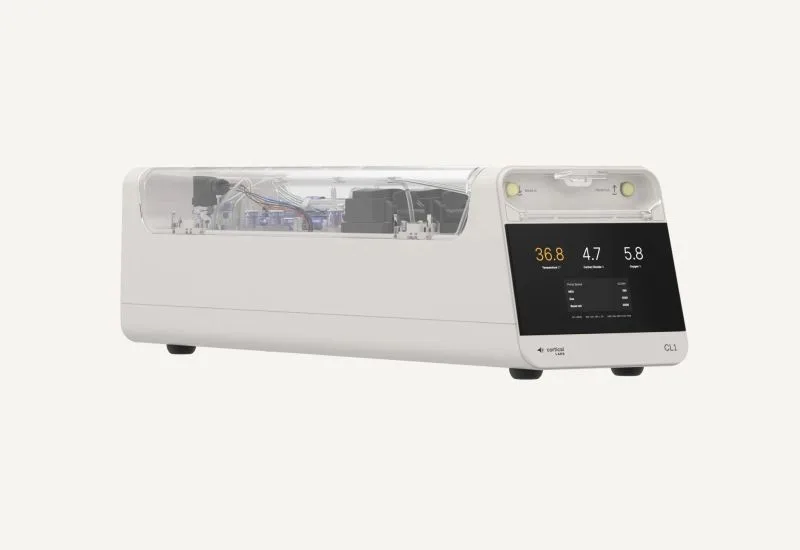
In an innovative approach to computing, researchers and inventors are turning to nature for inspiration to overcome traditional technological limits. The startup Cortical Labs is pioneering the development of biocomputers that combine neurons derived from human blood cells with conventional semiconductor chips. These hybrid systems leverage biological neural networks alongside electronic components to perform computational tasks.
Initial prototypes of these biocomputers have demonstrated the ability to engage with classic video games such as Pong and Doom, showcasing their capability to process information in dynamic environments. Building on this progress, Cortical Labs has begun constructing data centers composed of these brain cell-based computing units. This represents a significant step in scaling the application of biocomputing technology beyond experimental setups and into practical use cases.
By integrating cultivated neurons from human blood with semiconductor technology, these systems aim to harness the efficiency and complexity of biological networks. This approach may offer new avenues for computational performance and energy efficiency, potentially addressing challenges faced by traditional silicon-based data centers.
While detailed specifications and commercial availability have not been publicly disclosed, the venture indicates growing interest in hybrid biological-electronic computing platforms within the tech industry. Continued development and research could open doors to unique data processing methodologies and broaden the scope of artificial intelligence applications.
This intersection of neuroscience and computing marks a promising frontier, highlighting how synthetic biology and electronics can converge to create novel computing architectures that reflect the intricate functionality of the human brain.
Startup Cortical Labs is advancing data center technology by integrating brain cell neurons with semiconductor chips in biocomputers.