Oracle’s Debt Challenges Threaten AI Data Center Project for OpenAI
July 21, 2026
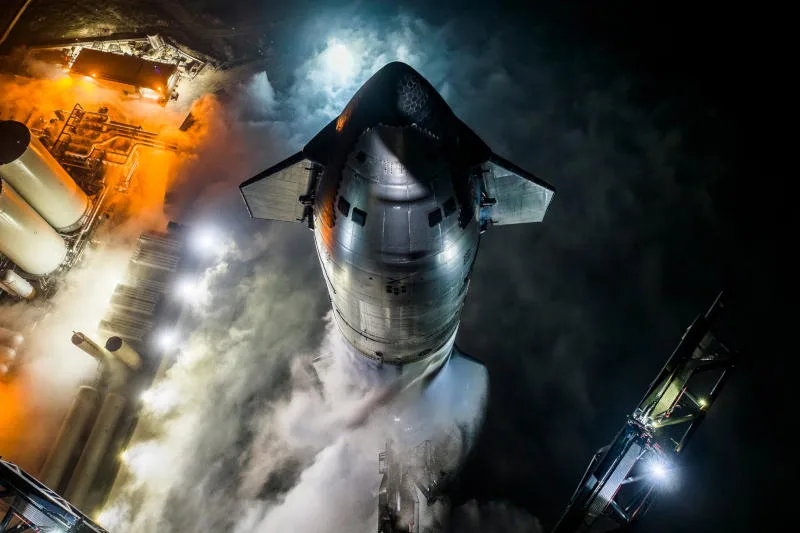
NASA recently released a report outlining its collaboration framework with private aerospace companies SpaceX and Blue Origin as they work on developing the Human Landing System (HLS) for future lunar missions. The report sheds light on ongoing technical debates between the government agency and these commercial partners, particularly concerning the extent to which manual piloting should be incorporated during the Moon landing process.
Central to the discussions detailed in the report is whether astronauts should have the capability to manually pilot the lunar lander during touchdown or if the entire landing sequence should be executed autonomously. SpaceX and NASA differ on this point, with the agency emphasizing a balanced approach that ensures astronaut input while also maintaining robust automated safety protocols.
Manual control capabilities are traditionally valued for providing astronauts with real-time decision-making flexibility in unforeseen circumstances. However, advances in automation and artificial intelligence have increased confidence in automated landing systems’ reliability and precision. The report indicates that NASA and SpaceX are still negotiating how these approaches will be integrated within the design and operational procedures of the HLS vehicles.
The collaboration between NASA and private aerospace firms marks a significant shift in Moon mission development, leveraging commercial innovation and expertise to fulfill agency objectives. By partnering with multiple companies, NASA aims to foster competition and enhance technological capabilities that support sustainable lunar exploration efforts.
One of the companies involved, Blue Origin, also plays a role in this evolving conversation. While the report focuses on NASA’s interactions primarily with SpaceX, it highlights that Blue Origin is actively contributing to the development and testing of lander systems intended for human lunar missions.
The Human Landing System program represents NASA’s effort to build the next generation of lunar spacecraft that will transport astronauts from lunar orbit down to the Moon’s surface and back. Ensuring the right balance between automation and manual control is a crucial factor in the system’s development, impacting safety, mission success, and astronaut confidence.
As the NASA-private sector partnerships continue to evolve, the resolution of such technical differences will shape the capabilities of lunar missions planned for this decade. The ongoing discourse between NASA and SpaceX demonstrates both the challenges and collaborative spirit that characterize this new era of space exploration.
NASA and SpaceX differ on the use of manual control during lunar landings as they collaborate on human landing system development.