
Popular PC Components in Russia Highlight Nvidia RTX 50 Series and 1TB NVMe SSDs
July 21, 2026
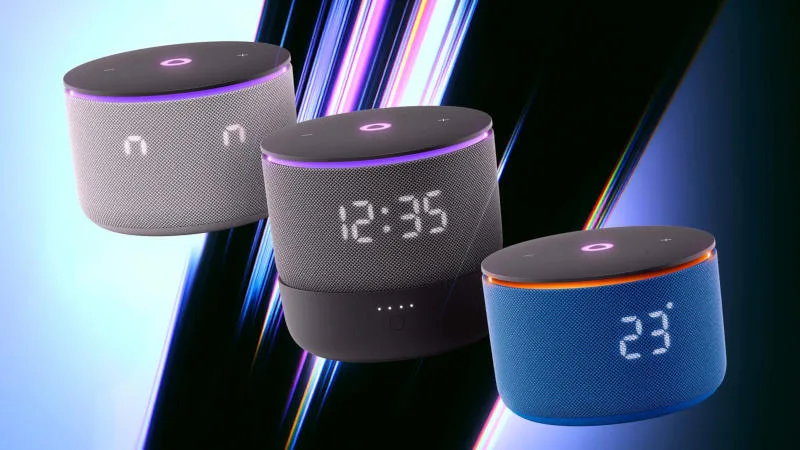
Russian technology company Yandex has affirmed that none of its smart speaker devices have been compromised through remote hacking attacks. This statement highlights the company’s commitment to robust cybersecurity measures during the development of its smart home audio products.
As smart speakers become increasingly widespread, concerns about their vulnerability to cyberattacks have grown among consumers and industry experts alike. Yandex emphasized that since the launch of its smart speaker lineup, there has not been a single documented incident of remote unauthorized access to these devices.
The company attributes this track record to the integration of stringent cybersecurity standards throughout the design and engineering phases. By prioritizing protection against potential external breaches, Yandex aims to safeguard user data and ensure device integrity.
While specifics on the implemented security technologies have not been disclosed, the company’s assurance suggests a layered security architecture that actively prevents exploitation attempts. This approach is increasingly critical as smart home devices interface with personal information and network infrastructure.
Yandex’s statement contributes to a broader conversation about user privacy and trust in connected devices. With cyber threats evolving and IoT devices becoming key targets, manufacturers are under pressure to demonstrate resilience against unauthorized intrusions.
The company’s claim of no recorded remote hacks could bolster consumer confidence in its products, positioning them as reliable options in the smart speaker market. As smart assistants continue to gain traction, security remains a key factor in adoption decisions for many users.
Overall, Yandex’s declaration of an unblemished remote security record reflects ongoing industry efforts to enhance the safety of voice-activated devices within the growing smart home ecosystem.
Yandex states that no remote hacking incidents involving its smart speakers have been recorded to date, emphasizing strong cybersecurity design.