Oracle’s Debt Challenges Threaten AI Data Center Project for OpenAI
July 21, 2026
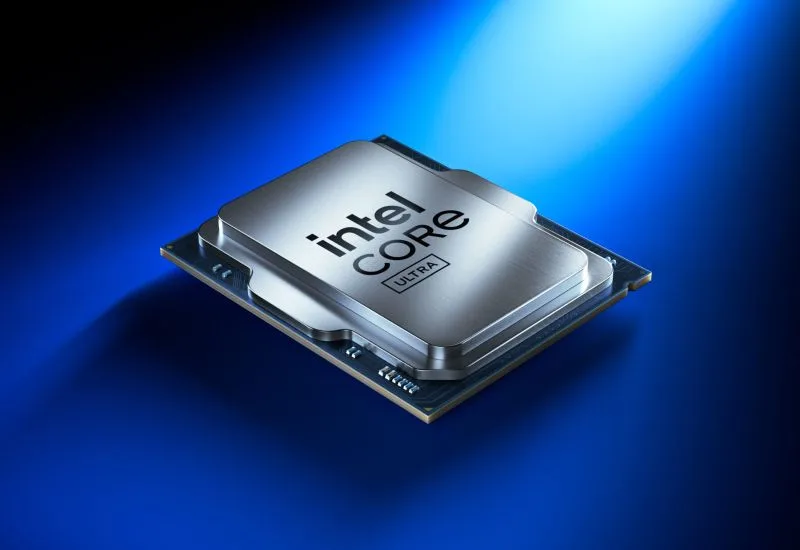
Intel is currently experiencing significant supply constraints on its processors, a situation attributed largely to the rapid expansion of artificial intelligence (AI) applications. The increased demand for AI-capable hardware has placed unprecedented pressure on the chipmaker’s production capacity, resulting in delays that extend delivery timelines by several months.
Earlier this year, Intel executives publicly acknowledged the impact of AI’s growth on their processor availability. They warned of a peak in shortages expected during the first quarter of 2026. After this period, the company anticipates gradual improvements in supply conditions.
The shortage situation is not limited to a specific processor family; instead, most product lines from Intel are affected. This widespread deficit indicates the depth of the supply chain challenges the firm is facing amid surging AI-driven demand.
Budget processors have been identified as the segment suffering the most from these shortages. Consumers and system builders who rely on cost-effective Intel CPUs are finding it more difficult to source these components promptly, further complicating market dynamics. This may also have ripple effects on PC pricing and availability within the entry-level and mainstream user segments.
Intel’s difficulties reflect broader industry challenges as semiconductor manufacturers worldwide strive to balance soaring demand with manufacturing limitations. The AI revolution has triggered shifts in hardware priorities, placing substantial strain on supply chains already disrupted by recent global events.
While Intel is working towards stabilizing its supply in the months ahead, the first quarter of 2026 remains a critical period for those dependent on Intel technology. Market watchers and consumers alike will be closely monitoring the company’s ability to address these shortages and fulfill demand as the tech industry continues to integrate AI capabilities more deeply into products and services.
Intel’s processor supply struggles continue due to AI demand, with shortages expected to peak in early 2026, impacting budget CPUs most severely.