Oracle’s Debt Challenges Threaten AI Data Center Project for OpenAI
July 21, 2026
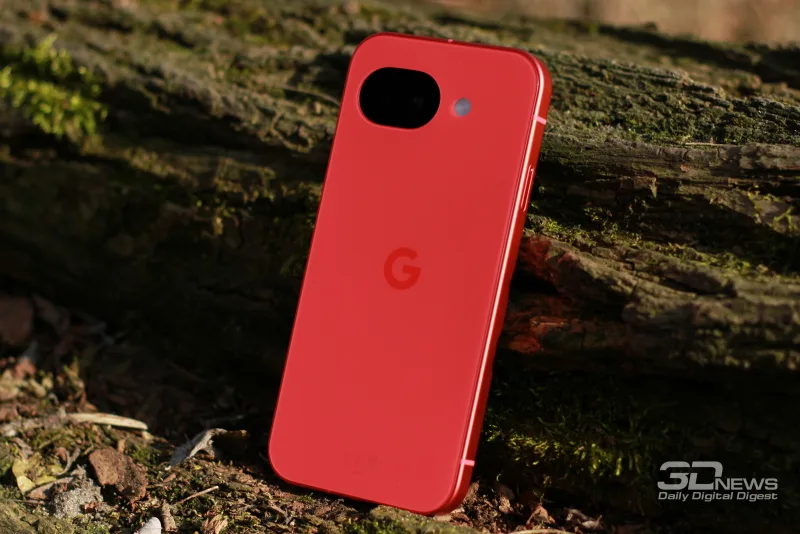
Google’s Pixel 10a arrives with a look and feel strikingly similar to last year’s Pixel 9a, offering very limited updates across several key aspects of the device. This continuity raises questions about what, if anything, has changed beneath the surface in this latest installment of the popular mid-range Pixel lineup.
From an aesthetic standpoint, the Pixel 10a retains much of the design language carried over from its predecessor. The overall form factor, button placement, and general build appear almost unchanged, making it easy to mistake the 10a for the Pixel 9a at a glance. This approach suggests Google has prioritized a proven and recognizable design rather than pursuing a significant visual overhaul.
Under the hood, the platform powering the 10a remains closely aligned with the previous model’s hardware. Specific details about the chipset or internal upgrades have not indicated any substantial leap forward, implying that performance improvements, if any, may be incremental rather than transformative. This continuity points to Google’s strategy to maintain a balance between efficiency and cost-effectiveness within this segment.
The camera system also seems to have been largely preserved. Both the sensors and the photographic capabilities show little deviation from what Pixel fans experienced with the Pixel 9a. While Google’s camera software and computational photography features have been a highlight in past models, the 10a does not appear to introduce major advancements or new camera technologies that markedly change the user experience.
In total, the Pixel 10a could be characterized as an iteration designed to maintain the strengths of its predecessor without introducing sweeping changes. This may cater to consumers seeking a reliable and familiar device but may fall short of generating excitement among those expecting innovation or substantial upgrades.
With the Pixel 10a, Google seems to be reinforcing its position in the competitive mid-tier smartphone market by leveraging the groundwork laid by the Pixel 9a. While this strategy may appeal to a segment of users who value consistency and dependability, it raises questions about how Google plans to differentiate future Pixel devices in a rapidly evolving landscape.
Details regarding pricing, availability, and more specific technical specifications have not been widely disclosed, leaving potential buyers to consider the Pixel 10a primarily through the lens of its similarity to the previous generation. The device may be a practical choice for those who missed out on the 9a or those preferring incremental upgrades over wholesale redesigns.
The Google Pixel 10a closely resembles its predecessor, the Pixel 9a, with few changes across design, platform, and cameras.