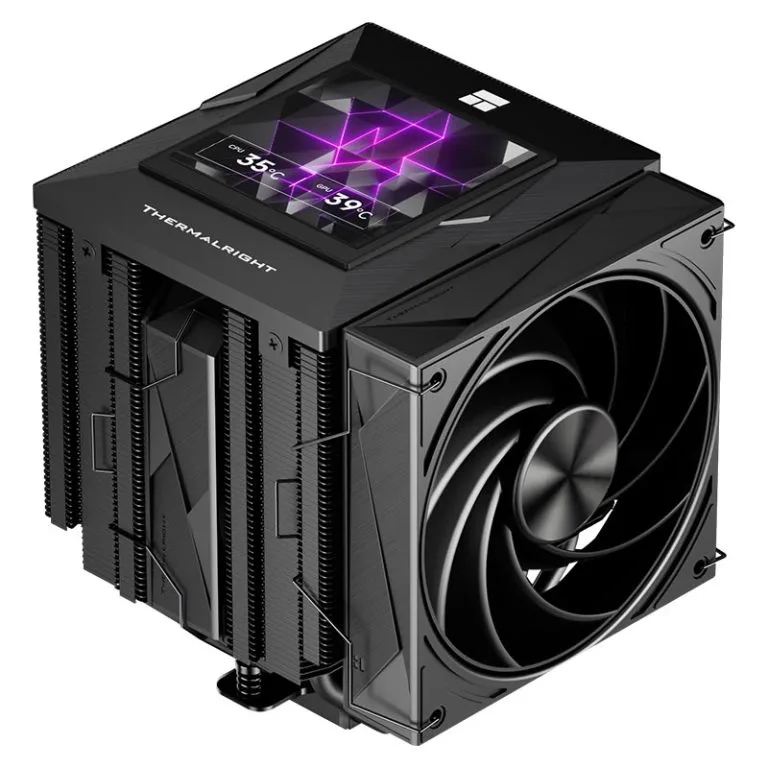
Thermalright Introduces Royal Pretor 130 Vision Cooler with Integrated 3.95-Inch Color Display
July 21, 2026
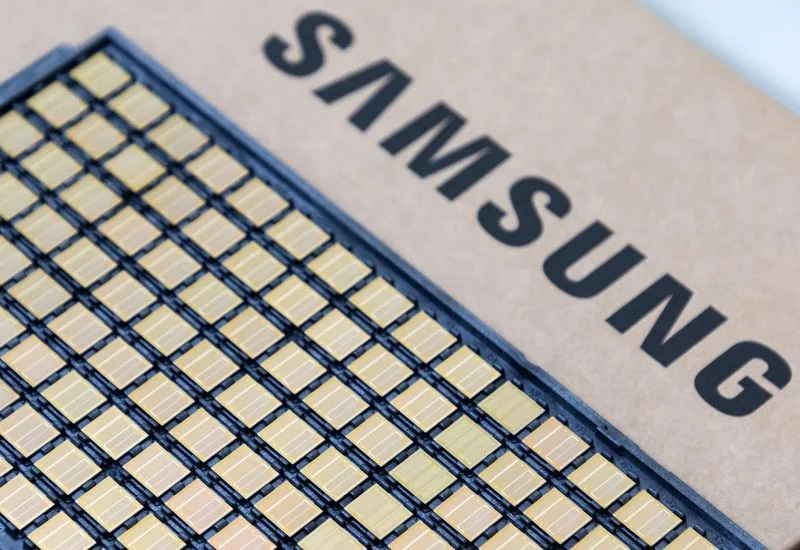
OpenAI is advancing its hardware strategy by developing its first dedicated artificial intelligence chip, created in partnership with Broadcom. This AI accelerator is set to include Samsung Electronics’ next-generation HBM4 memory, highlighting a commitment to high-performance memory integration in AI processing.
The semiconductor manufacturing giant TSMC is slated to begin production of OpenAI’s custom AI chip in the third quarter of this year. This marks a noteworthy step for OpenAI, which is extending beyond software and cloud-based offerings into materially engineered AI hardware solutions.
The collaboration involves three major players: OpenAI, responsible for the chip design; Broadcom, contributing to its development; and Samsung, supplying advanced HBM4 (High Bandwidth Memory 4) to equip the chip with cutting-edge memory capabilities. This integration of HBM4 memory is expected to provide enhanced bandwidth and efficiency, key for demanding AI workloads.
OpenAI’s strategic engagement in chip manufacturing represents a departure from purely software-focused operations. The partnership underscores OpenAI’s intention to exert more influence on the hardware underpinning its AI systems, potentially allowing for optimization tailored to its unique models and workloads.
Samsung Electronics’ role as the memory supplier reinforces its position as a leading vendor of high-performance memory technology, while TSMC remains the foremost semiconductor foundry worldwide, capable of delivering the manufacturing scale needed for advanced AI chip production.
Details regarding pricing, distribution, or specific technical specifications of the AI chip have not been publicly disclosed. However, the involvement of these prominent industry entities suggests the chip will aim to compete in the fast-evolving market for AI accelerators, where performance and memory bandwidth are critical factors.
This development also signals a growing trend of AI companies investing in custom hardware designs to meet escalating computational demands. Hardware tailored specifically for AI workloads can offer advantages over general-purpose GPUs or off-the-shelf accelerators, including improved efficiency and performance.
As AI models become more complex and resource-intensive, partnerships like the one between OpenAI, Broadcom, Samsung, and TSMC illustrate the increasing interdependence of AI software and hardware innovation. The successful rollout of this chip could influence future directions in AI hardware solutions and industry collaboration models.
OpenAI collaborates with Broadcom on a new AI chip using Samsung’s HBM4 memory, with TSMC set to begin manufacturing in the third quarter.