Popular PC Components in Russia Highlight Nvidia RTX 50 Series and 1TB NVMe SSDs
July 21, 2026
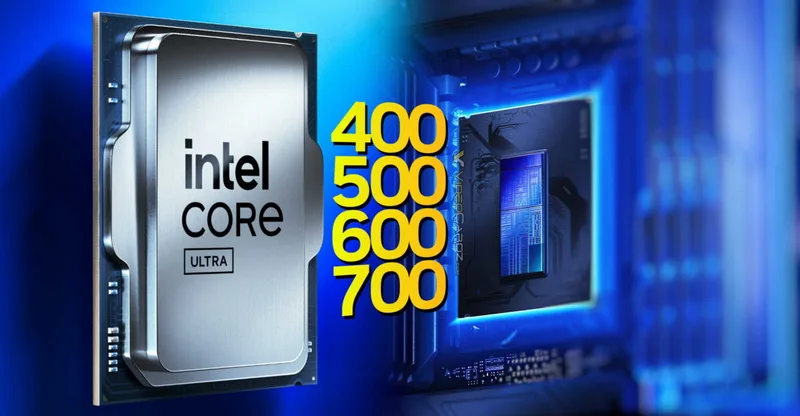
Intel has announced plans to improve the longevity of its desktop CPU socket compatibility, a move that responds to longstanding criticism from the PC hardware community. The company intends to support a single socket across multiple processor generations, marking a shift from its previous approach where socket changes occurred frequently.
The announcement came during a recent interview with Robert Hallock, Intel’s Vice President of Client Computing. Hallock highlighted the company’s commitment to listening closely to feedback from enthusiasts and customers, signaling a strategic shift that could reduce the need for frequent motherboard replacements.
Historically, Intel has often updated or changed its desktop processor sockets every new generation, which has frustrated many PC builders and consumers who found themselves forced to purchase new motherboards alongside their CPUs. This approach contrasted with some competitors, which have supported multiple CPU generations on the same socket.
By extending support for a single socket across several processor releases, Intel aims to offer enhanced value and flexibility for users seeking longer hardware upgrade cycles. Enthusiasts and professionals who build their own systems or upgrade over time are likely to benefit from this change, potentially lowering the overall cost of maintaining a high-performance desktop setup.
While specific details regarding which current or future sockets will receive extended support were not disclosed, Intel’s leadership underscored the importance of this adjustment in response to user demand. The company appears to be aligning its product strategy with broader trends favoring compatibility and user-friendly technology ecosystems.
This development may also influence motherboard manufacturers and partners, who rely on Intel’s socket designs as a foundation for their product lines. Longer socket lifespans can lead to more stable motherboard offerings and reduce fragmentation in the market.
As Intel continues to evolve its desktop processor lineup, the company’s willingness to maintain socket compatibility for more than one generation reflects a notable shift in strategy. It aims to address a key pain point within the PC building community and potentially improve customer satisfaction.
Ultimately, this change could contribute to more sustainable upgrade paths for users and encourage wider adoption of Intel’s desktop platforms in the competitive processor market.
Intel aims to extend desktop CPU socket compatibility for multiple generations following feedback from PC enthusiasts.