Popular PC Components in Russia Highlight Nvidia RTX 50 Series and 1TB NVMe SSDs
July 21, 2026
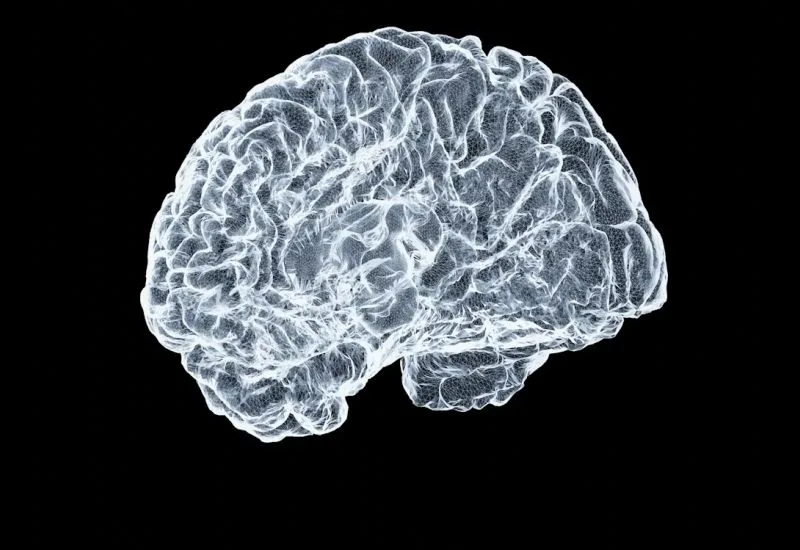
As the global race in emerging technologies intensifies, the competition between the United States and China extends beyond artificial intelligence, robotics, and quantum computing into the realm of brain-machine interfaces and neurotechnology. Recent assessments indicate that Chinese efforts in developing brain implants are approximately three years behind those led by American companies such as Neuralink.
The development of brain-computer interfaces (BCIs) involves a complex integration of biological sciences, information technology, and medical innovation. These devices have the potential to revolutionize treatments for neurological conditions, enhance human cognitive abilities, and pave the way for seamless interaction between humans and machines.
U.S.-based Neuralink, founded with the goal of developing advanced brain implant technology, has made significant progress in refining implant designs, improving data transmission rates, and conducting preclinical and clinical trials. Their advancements have set a benchmark in the industry, consolidating their position as leaders in neurotechnology.
Conversely, Chinese developers and research teams, while investing heavily and making strides in this interdisciplinary field, have reportedly lagged behind Neuralink’s level of technological maturity and progress by an estimated three years. This gap illustrates the challenges China faces in synchronizing cutting-edge bioengineering with scalable production and regulatory approval pathways necessary for brain implant deployment.
Experts attribute the delay to various factors including differences in research infrastructure, access to specific types of experimental data, and the complexity of navigating ethical and safety standards that govern human neurotechnology trials.
Despite this delay, Chinese initiatives continue to emphasize the strategic importance of brain implant research, integrating it within broader national priorities for boosting innovation in biotechnology and enhancing human-computer interaction capabilities. There is a notable focus on collaboration between academic institutions, governmental agencies, and private sector entities to accelerate development timelines.
As brain implants remain at the intersection of neuroscience and technology, both the U.S. and China view advancements in this area as critical to maintaining leadership in next-generation medical devices and AI integration.
While specific product details, commercial availability, or deployment timeframes from Chinese teams were not disclosed, the recognition of the current technological lag highlights an ongoing competition that will likely drive increased investment and innovation in neurointerface technologies worldwide.
This evolving technological landscape represents a crucial frontier with implications not only for health care and medical research but also for broader societal impacts as brain-machine connectivity gains prominence.
Chinese brain implant developments lag behind U.S. Neuralink efforts by approximately three years, highlighting a growing technology gap.