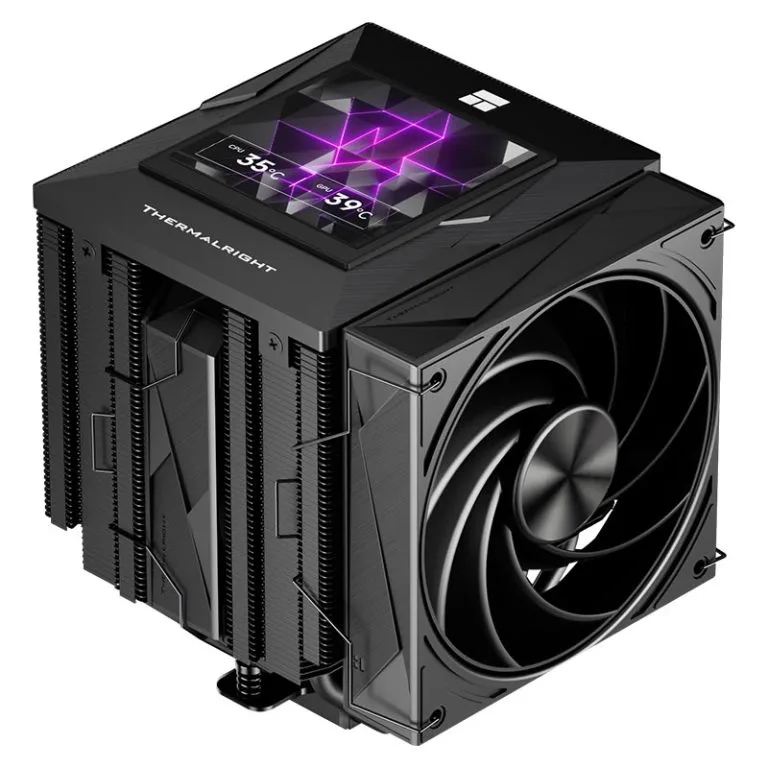
Thermalright Introduces Royal Pretor 130 Vision Cooler with Integrated 3.95-Inch Color Display
July 21, 2026
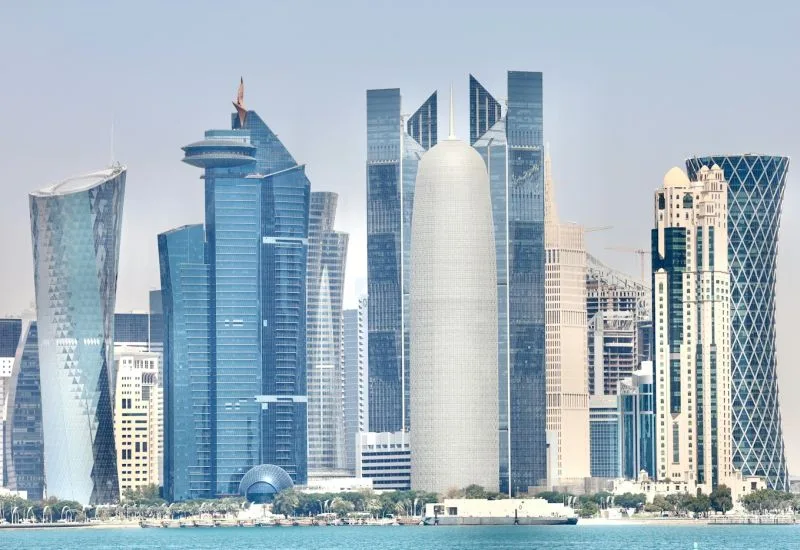
South Korean semiconductor giants Samsung Electronics and SK hynix are actively exploring alternative suppliers of helium following recent geopolitical disruptions in the Middle East. Helium, a critical component in chip manufacturing, has become a focal point amid the ongoing conflict impacting traditional supply routes.
Prior to the escalation of hostilities earlier this year, Qatar was responsible for delivering approximately one-third of the world’s helium supply. This gas is essential throughout various stages of semiconductor production, including cooling and processing within manufacturing facilities. With Qatar’s helium output reportedly affected by the regional conflict, South Korean chip manufacturers are reassessing their supply chains to mitigate potential shortages.
Given their heavy reliance on Qatar’s helium exports, Samsung and SK hynix have initiated discussions to secure additional helium volumes from other global sources. Both companies are considering expanding procurement efforts beyond their traditional suppliers, with particular interest in securing supplies from the United States and Russia.
The United States ranks among the top helium producers worldwide, offering a potentially stable alternative for critical gas imports. Similarly, Russia’s helium production capacity has also attracted the attention of South Korean firms seeking to diversify supply channels. While details regarding contract negotiations and volumes remain under wraps, the strategic move highlights the semiconductor industry’s sensitivity to resource availability amid geopolitical tensions.
Samsung and SK hynix’s pursuit of new helium sources underscores broader concerns about supply chain resilience in technology manufacturing. With chip demand continuing to grow globally, ensuring uninterrupted access to key materials like helium remains a priority for semiconductor leaders navigating an increasingly complex geopolitical landscape.
While alternative helium suppliers could help alleviate immediate supply concerns, the situation accentuates the potential vulnerability of tech companies to disruptions in specialized raw materials. Industry observers note that diversifying supply and investing in resource management will be essential for sustaining semiconductor production continuity moving forward.
As South Korean manufacturers work to stabilize helium inputs, the evolving Middle East conflict’s long-term impact on global compound supply chains continues to unfold. The sector’s response to these challenges may shape procurement strategies and partnerships for years to come.
Due to disruptions in Middle East helium supplies, Samsung and SK hynix are seeking additional sources in the US and Russia to support semiconductor production.