Honor Launches X7e Smartphone in Russia Featuring 7200mAh Battery and AI Shortcut Button
July 21, 2026
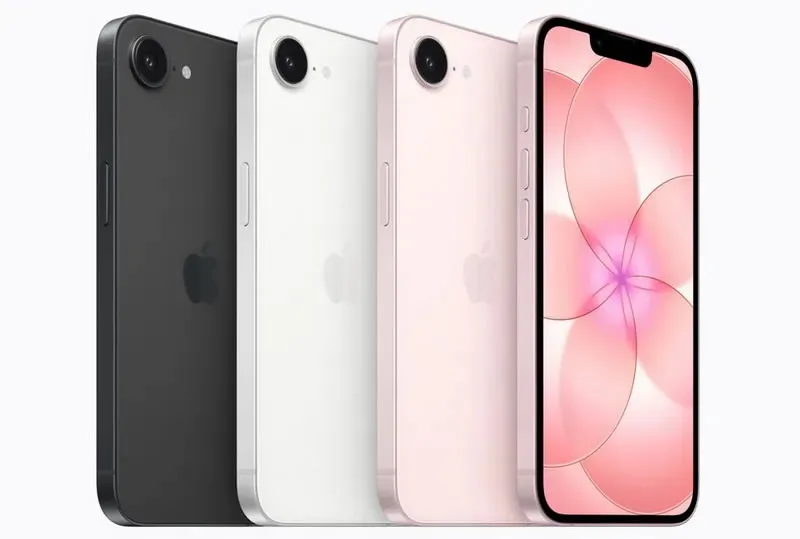
A recent analysis from research firm TrendForce challenges previous expectations regarding smartphone memory capacity trends heading into 2026. Contrary to earlier assumptions that manufacturers might reduce memory sizes due to cost pressures and supply constraints, the company predicts that the average memory capacity in smartphones will continue to grow.
Industry observers previously anticipated that rising prices for NAND flash memory and persistent component supply issues would force smartphone makers to cut back on high memory configurations. Such measures were expected to help maintain profitability as production costs increased. However, TrendForce’s latest report suggests this scenario may not unfold as predicted.
According to the report, manufacturers are set to maintain or even increase the amount of memory offered in new smartphone models throughout 2026. This ongoing growth reflects demand for enhanced device performance and user experience, driven by advanced applications and features that benefit from higher memory capacities.
The sustained trend towards larger memory allotments occurs amid a challenging environment marked by fluctuating NAND flash prices and supply chain limitations. Nonetheless, smartphone producers appear willing to absorb these factors rather than compromise on hardware specifications that could affect competitiveness and customer expectations.
While specific figures on average memory capacities or detailed market segments were not disclosed, the overall insight indicates a continuation of the upward trajectory in smartphone memory installations. The decision by manufacturers to prioritize memory capacity expansion is notable given the broader economic uncertainties impacting component markets.
This development underscores the importance of memory performance in modern smartphones and signals that consumers can expect devices with increasingly substantial memory configurations in the coming year. The findings by TrendForce highlight a divergence from conventional wisdom about cost-driven specifications contraction and suggest a robust focus on feature-rich device offerings.
As the industry advances, ongoing monitoring of component pricing, supply availability, and consumer preferences will be critical in understanding how memory capacity trends evolve beyond 2026.
Despite earlier forecasts, smartphone manufacturers are projected to continue expanding memory capacities in 2026 amid supply and cost concerns.