App Store Sees Surge in New Apps Amid Growth of No-Code Platforms in Early 2026
July 21, 2026
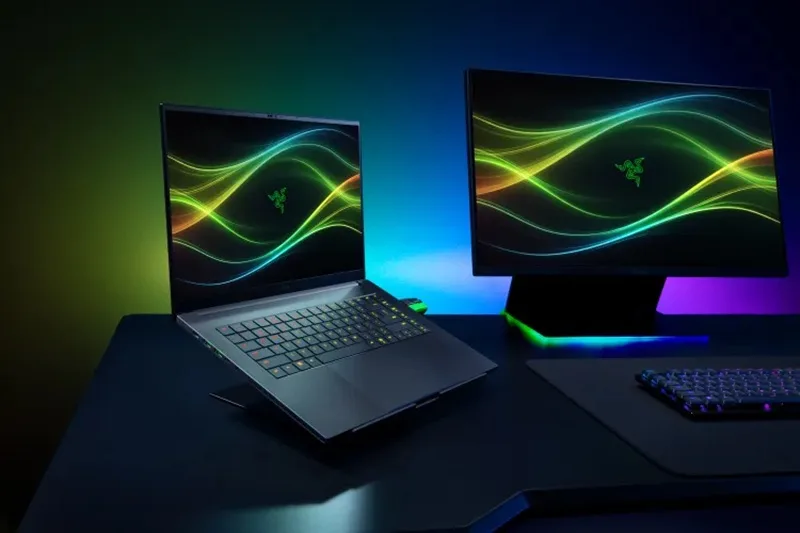
Razer has introduced its refreshed Blade 16 gaming laptop for 2026, marking a significant shift in its processor choice. Unlike the previous year’s model that utilized AMD components, the new Blade 16 features Intel’s latest Core Ultra 9 386H processor.
This next-generation Intel chip, part of the Panther Lake family, integrates a neural processing unit (NPU) capable of delivering up to 50 TOPS (trillions of operations per second) in AI performance. This advancement aligns with the growing demand for AI acceleration in gaming and content creation workflows.
The revamped model also benefits from an upgrade in memory speed, enhancing overall system responsiveness and gaming experience. Additionally, graphics options now include Nvidia’s latest GeForce RTX 50 series GPUs, ensuring high-performance visuals to complement the powerful CPU.
The updated Blade 16 ramps up connectivity by incorporating a Thunderbolt 5 port, providing faster data transfer speeds and greater versatility for external devices. This marks an evolution over previous iterations, catering to users who require swift and flexible connectivity options for peripherals and accessories.
Razer’s move to Intel hardware signifies a strategic pivot that leverages the capabilities of the Core Ultra 9 386H CPU, combined with cutting-edge GPU technology and faster system memory. These enhancements position the Blade 16 2026 as a competitive offering in the high-end gaming laptop segment.
While detailed specifications such as pricing and availability remain undisclosed, the upgrade path suggests Razer aims to deliver top-tier performance for gamers and professionals seeking a versatile, powerful portable machine.
Razer updates the Blade 16 gaming laptop with Intel Core Ultra 9 386H, faster memory, Nvidia RTX 50 series GPUs, and Thunderbolt 5 connectivity.