Honor Launches X7e Smartphone in Russia Featuring 7200mAh Battery and AI Shortcut Button
July 21, 2026
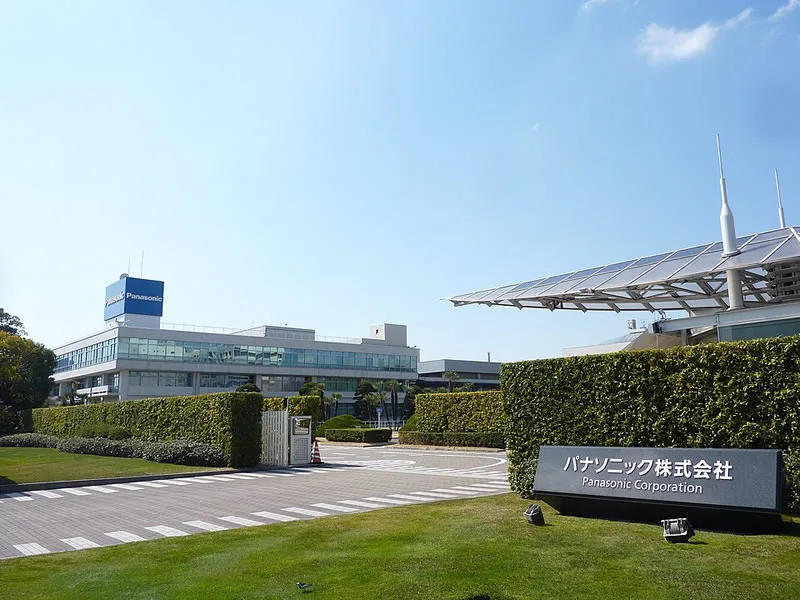
Panasonic is responding to a significant surge in demand for lithium-ion batteries driven by the rapid expansion of artificial intelligence technologies. The company has revealed ambitious plans to expand its production capacity substantially, particularly at its manufacturing facilities in Japan.
The growing need for advanced memory chips and components linked to AI applications has extended its impact beyond semiconductors into the energy storage sector. Panasonic finds itself confronting shortages of lithium-ion cells, a critical component not only for consumer electronics but also for electric vehicles and other tech-dependent industries.
In light of this shortage, Panasonic intends to increase battery production at its Japanese plants by a factor of four. This strategic expansion highlights the company’s commitment to meeting the skyrocketing demand, though it also reflects a supply chain already under considerable stress.
Interestingly, a majority of the available battery output from Panasonic’s current and upcoming production lines has already been reserved through long-term contracts. These commitments extend several years into the future, signaling sustained growth and dependency on Panasonic’s battery technology from various tech sectors.
In addition to the efforts in Japan, Panasonic is revisiting plans for a manufacturing facility in Kansas, USA. Adjustments to the plant’s development indicate an attempt to align production capacity more closely with market demands and supply constraints.
The battery shortage scenario underscores the interconnectedness of AI advancements and material supply chains. As AI systems and applications become more prevalent, they amplify the demand for components like lithium-ion batteries, intensifying the challenges for manufacturers worldwide.
Panasonic’s experience is emblematic of a broader industry trend where the AI boom drives rapid consumption of specialized hardware, affecting diverse segments beyond traditional computing devices. The company’s actions reflect both the urgency and complexity of scaling production to keep pace with evolving technological requirements.
Details regarding the timelines for the expanded production capabilities or changes to the Kansas facility plans remain limited. Pricing and availability of the increased battery output have also not been publicly disclosed. However, Panasonic’s move illustrates the critical role of battery manufacturers in supporting the infrastructure behind next-generation AI technologies.
Panasonic plans to quadruple lithium-ion battery output as AI-related demand strains supply, with most production already booked years ahead.