Popular PC Components in Russia Highlight Nvidia RTX 50 Series and 1TB NVMe SSDs
July 21, 2026

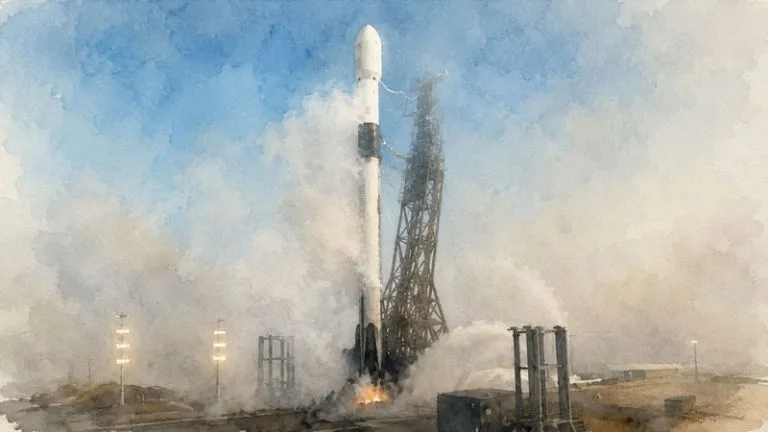
SpaceX has proposed an unprecedented satellite constellation intended to support orbital data centers, aiming for a fleet size as high as one million satellites. While the company pursues regulatory approval for this ambitious project, concerns are mounting around the feasibility and potential consequences of such a massive orbital deployment.
The Federal Communications Commission (FCC) is currently reviewing SpaceX’s application, which outlines plans for an initial constellation reaching the one million satellite mark. However, SpaceX has acknowledged that reaching this upper limit may not be achievable in practice. Despite this, the company is seeking authorization specifically for this scale to ensure operational flexibility during the early phases of its orbital data center initiative.
This expansive satellite plan has generated objections from a variety of stakeholders, including astronomers, environmental advocates, and members of the public. A key issue is the potential increase in light pollution caused by the large number of reflective satellites, which could interfere with ground-based astronomical observations. The impact on scientific research communities, particularly those relying on unobstructed night skies, is prompting calls for stricter limits on satellite deployments.
Environmental groups have also raised alarms about possible effects on Earth’s atmosphere and orbital environment. The accumulation of satellites in low Earth orbit increases the complexity of traffic management in space, heightening the risk of collisions that could produce hazardous debris. This situation poses long-term challenges for the sustainability of satellite operations and the broader space ecosystem.
Safety concerns extend beyond debris risks to encompass potential impacts on atmospheric chemistry due to frequent launches required to maintain and expand the constellation. The environmental footprint of repeatedly sending large numbers of satellites into orbit has sparked debates over how to balance technological advancement with ecological responsibility.
As SpaceX awaits the FCC’s decision, public discourse continues around balancing innovation in orbital infrastructure with minimizing disruptions to astronomy, the environment, and space safety. The outcome will likely set important precedents for future satellite constellations and their regulatory frameworks.
Ultimately, while SpaceX continues to push the boundaries of satellite technology and orbital data center capabilities, the notable reservations from scientific and environmental communities highlight the complexities in achieving large-scale deployments in Earth’s orbit.
SpaceX’s plan to deploy up to one million satellites for orbital data centers may fall short amid regulatory and environmental concerns.