Honor Launches X7e Smartphone in Russia Featuring 7200mAh Battery and AI Shortcut Button
July 21, 2026
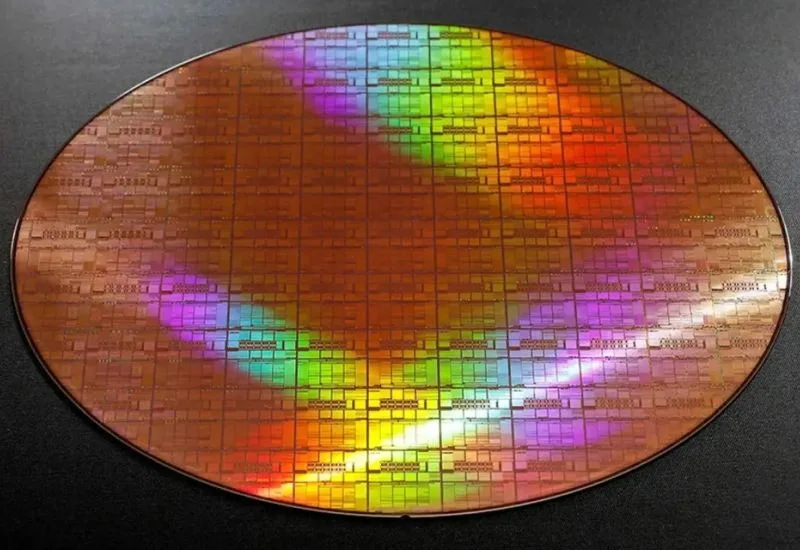
Japanese semiconductor company Rapidus is progressing aggressively toward advanced chip manufacturing with plans to initiate trial production of 2-nanometer (nm) process nodes by the end of 2026. The firm targets ramping up to mass production of 2nm chips as early as next year, signaling strong ambitions to compete in cutting-edge semiconductor technology.
Rapidly emerging in an industry dominated by established giants, Rapidus is seeking to establish itself as a key player in ultra-fine fabrication processes. The company’s roadmap not only focuses on 2nm technology but also includes accelerated development of even smaller process nodes. This year, Rapidus is slated to begin work on 1.4nm semiconductor technology, striving to push the boundaries of miniaturization further.
One of Rapidus’ strategic goals is to considerably reduce its technical lag behind Taiwan Semiconductor Manufacturing Company (TSMC), the global leader in advanced chip fabrication. Currently, Rapidus trails TSMC’s advancements by a longer temporal margin, but the Japanese company aims to bring this gap down to approximately six months. This would represent a significant acceleration compared to typical industry lead times in process node adoption and development.
Such progress is critical for Japan’s ambitions to reassert itself in semiconductor manufacturing, particularly in an era where chips with sub-2nm transistors are essential for powering next-generation devices, from artificial intelligence processors to high-performance computing systems. By speeding up both 2nm trial production and the initial phases of 1.4nm technology, Rapidus underscores its commitment to innovation and global competitiveness.
Details regarding manufacturing scale, partnerships, or potential customer segments for these advanced semiconductor technologies have not been disclosed at this stage. Likewise, no official pricing or shipment volumes have been announced, leaving market impact and cost-effectiveness to be observed once Rapidus begins broader production activities.
Industry experts note that moving from trial to mass production in such advanced nodes requires overcoming significant technical challenges, including yield optimization, equipment sophistication, and material science innovations. Rapidus’ progress in this area will be watched closely as a barometer of Japan’s ability to reinvigorate its semiconductor ecosystem amid rising geopolitical and economic pressures on the global supply chain.
Overall, Rapidus’ accelerated schedule for mastering sub-2nm processes highlights the dynamic evolution underway in the semiconductor industry, where rapid innovation cycles continue to reshape technology landscapes. The company’s commitment to catching up with leading-edge suppliers may introduce new competitive dynamics in the increasingly strategic semiconductor market.
Japanese firm Rapidus plans trial production of 2nm chips later this year, targeting mass shipments next year and accelerating 1.4nm tech development.