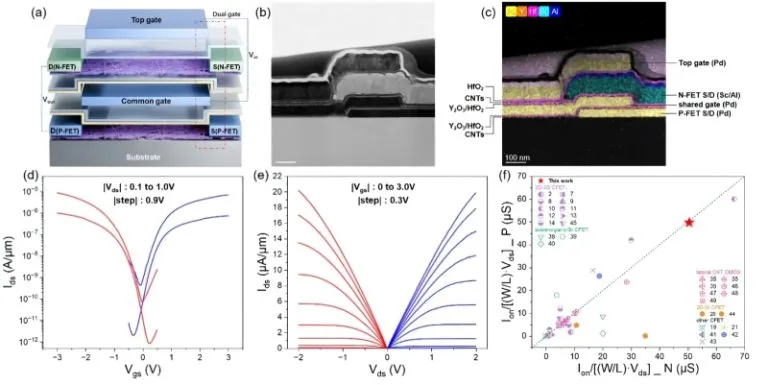
Advancements in CFET Technology Promise Faster, Smaller, and More Reliable Semiconductor Transistors
July 21, 2026

Recent advancements in quantum computing have dramatically shifted the landscape of digital security, according to research led by a team at the California Institute of Technology (Caltech). The study reveals a new quantum platform architecture that lowers the quantum resource requirements for compromising widely used cryptographic systems, including Bitcoin’s underlying encryption methods.
Historically, estimates suggested that successfully breaking contemporary encryption algorithms with quantum computers would require millions of qubits, placing such threats many years or even decades away. However, the latest findings indicate that a quantum computer with approximately 10,000 qubits could suffice to break encryption keys that currently protect digital currencies and sensitive data. This figure represents a significant reduction from previous expectations.
These developments have prompted heightened concern within the tech community, exemplified by Google reportedly activating a so-called “panic mode” in response to the imminent arrival of what some refer to as “Q-Day.” This term denotes the hypothetical moment when quantum machines become capable enough to crack standard cryptographic protections in practical timeframes.
Bitcoin relies heavily on cryptographic algorithms to ensure the integrity of transactions and the security of wallets. Should these algorithms become vulnerable to quantum attacks, it could jeopardize the trust and reliability of the cryptocurrency ecosystem. The Caltech-led research helps quantify how close society might be to confronting this challenge, emphasizing the urgency for post-quantum cryptography solutions.
Encryption schemes that underpin secure communications, financial transactions, and data privacy across the internet are also at risk. A reduced qubit threshold for execution of such attacks makes the timeline for transitioning to quantum-resistant cryptographic protocols more pressing.
Efforts to develop and implement quantum-safe encryption are already underway among cybersecurity experts and standards organizations. The new research reinforces the need for accelerated adoption to mitigate potential vulnerabilities before quantum computers capable of running these advanced algorithms reach operational status.
While this breakthrough signals a nearer horizon for quantum-powered cryptanalysis, the actual realization of functional large-scale quantum machines with thousands of reliable qubits remains a formidable engineering challenge. Continued innovation in quantum hardware and software, along with proactive cybersecurity measures, will be critical as the technology evolves.
This work marks a pivotal moment in understanding quantum computing’s imminent impact on digital security, compelling stakeholders across industries to prepare for a fundamental shift in the approach to data protection.
A new quantum computing architecture significantly reduces the qubit count needed to crack Bitcoin and encryption keys, raising cybersecurity concerns.