
Oracle’s Debt Challenges Threaten AI Data Center Project for OpenAI
July 21, 2026
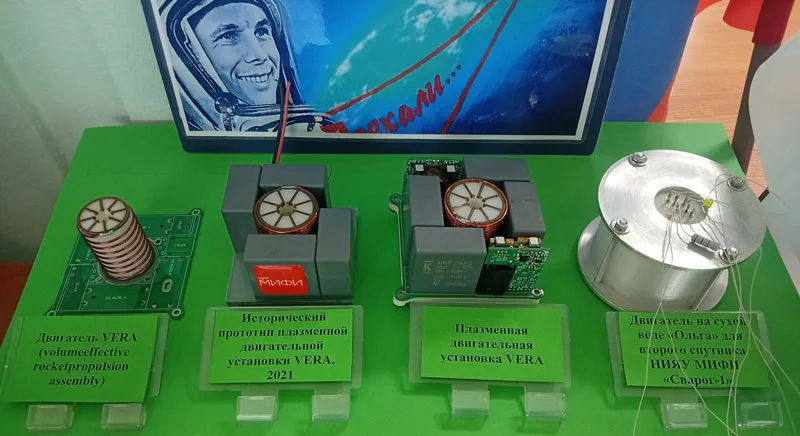
Researchers in Russia have developed a novel type of rocket engine designed to be safe for everyday environments, including educational institutions. This innovation aims to support the growing initiative of designing small satellites within schools and universities across the country.
Traditional propulsion systems for nanosatellites often rely on highly pressurized gases, which pose safety risks that make them unsuitable for use in non-specialized settings such as classrooms. This limitation has historically constrained hands-on student involvement in satellite engineering projects.
To overcome these challenges, scientists at the National Research Nuclear University MEPhI (МИФИ) developed a rocket engine based on a solid propellant derived from a widely recognized fire-extinguishing material known colloquially as “solid water.” This innovative choice allows the propulsion system to operate safely without the hazards associated with high-pressure gases.
The solid fuel engine is designed with user safety as a priority, making it possible for students to construct and potentially operate small satellites within school facilities. This development represents a significant step in democratizing access to space technology education by reducing the risk and complexity traditionally involved in rocket propulsion.
By integrating safer propulsion technologies into the educational curriculum, educational institutions in Russia can more effectively engage students in practical aerospace engineering projects. The new rocket engine enhances opportunities for hands-on learning and may inspire increased interest in STEM fields, especially aerospace and satellite technologies.
The initiative aligns with broader efforts to expand the availability of miniature satellite platforms for educational use, enabling a practical understanding of satellite design, assembly, and deployment. It positions Russian schools and universities to meaningfully participate in cutting-edge aerospace innovations.
Details regarding the engine’s performance characteristics, pricing, or potential commercial applications have not been disclosed. However, the creation of a propulsion system that is safe enough to be brought into and used within schools marks an important milestone for educational space projects.
This development could serve as a model for other countries seeking to make space technology more accessible to students while ensuring safety and practicality in academic environments.
Russian scientists have created a household-safe rocket engine using solid water for nanosatellites, enabling educational satellite projects in schools.