Oracle’s Debt Challenges Threaten AI Data Center Project for OpenAI
July 21, 2026
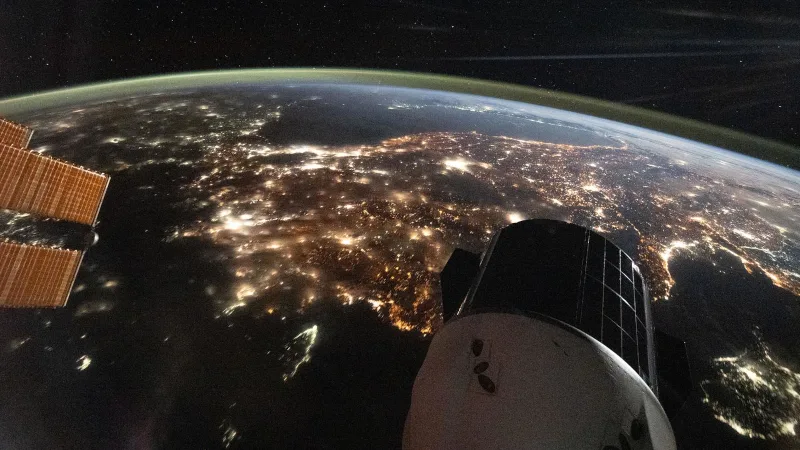
A recent analysis of satellite imagery has revealed that the brightness of Earth’s surface during nighttime has risen by approximately 16% between the years 2014 and 2022. This investigation, which spans nearly a decade, illustrates significant changes in artificial light emissions on a global scale.
The study utilized data collected from orbital sensors to measure variations in nighttime illumination. Researchers found a general upward trend in light pollution, indicating expanded use of artificial lighting across many regions. Increased urbanization, growing infrastructure, and development in both cities and rural areas contribute to this overall escalation.
However, the increase in brightness is not uniform around the globe. While many areas experience heightened night illumination, certain regions have shown a decrease. These reductions are attributed to a combination of factors, including the direct impact of armed conflicts disrupting lighting infrastructure, natural disasters damaging power systems, and deliberate efforts toward energy conservation and improved lighting efficiency.
The uneven distribution of trends highlights complex interactions between human activity and environmental challenges. In some locations, light pollution intensifies as societies become more industrialized and urban areas expand. Meanwhile, other geographies reflect the effects of socio-economic disruptions or policy measures aimed at limiting excessive artificial lighting.
Light pollution has been recognized as an environmental concern due to its effects on ecosystems, human health, and astronomical research. Increased artificial illumination can disrupt wildlife behavior, interfere with natural rhythms, and obscure the visibility of stars and celestial bodies. Consequently, understanding patterns of light pollution growth and decline is essential for developing targeted mitigation strategies.
The findings from satellite monitoring offer a valuable resource for governments, environmental organizations, and urban planners. By tracking where and how nighttime lighting changes, stakeholders can better assess the impact of human developments and emergencies on light pollution. Additionally, these insights support the promotion of sustainable lighting practices that balance safety and energy use with environmental preservation.
This comprehensive dataset covering 2014 to 2022 provides a detailed baseline from which future trends can be assessed. As urban centers continue to expand and technologies evolve, ongoing surveillance will be important to monitor both the progression and potential reduction of light pollution worldwide.
Satellite imagery shows Earth’s brightness increased by 16% from 2014 to 2022, highlighting global trends in artificial nighttime lighting.