Honor Launches X7e Smartphone in Russia Featuring 7200mAh Battery and AI Shortcut Button
July 21, 2026
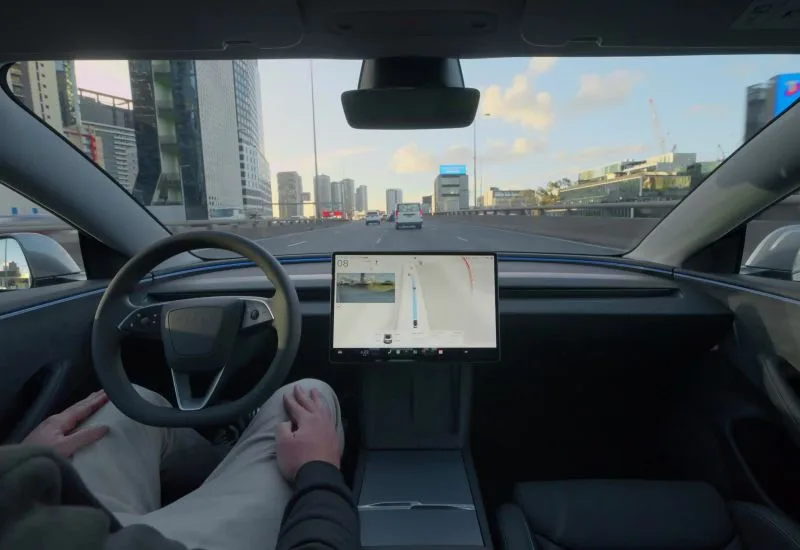
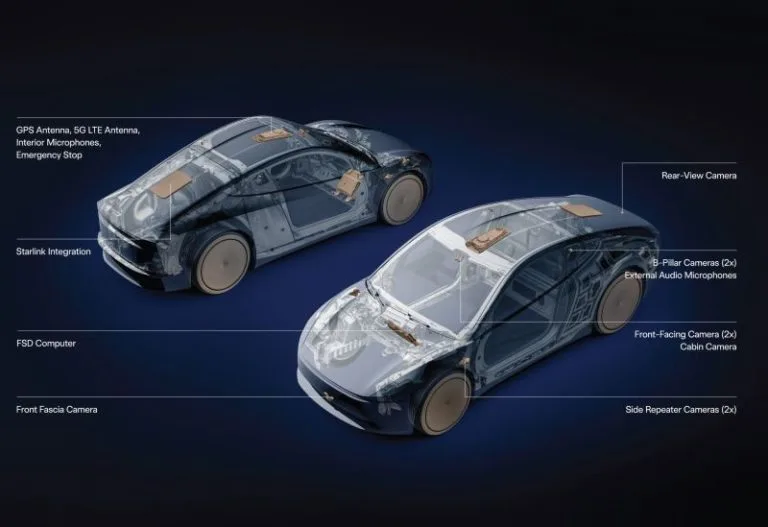
Tesla has begun implementing measures aimed at curbing unauthorized activations of its Autopilot system in regions where the technology is not officially offered. The electric vehicle manufacturer’s advanced driver-assistance features, including the Full Self-Driving (FSD) capability, have long been developed primarily using data collected from vehicles operating in the United States. However, legal frameworks that govern the deployment of these features vary widely across countries.
Despite these geographic restrictions, some Tesla owners outside the U.S. have found ways to enable Autopilot functionalities that Tesla has not yet approved for their locations. These unauthorized activations pose both regulatory challenges and concerns about the safety and liability of using such systems in unregulated environments.
The company’s recent efforts to combat this practice reflect a broader industry trend of aligning technology availability with local laws and regulations. Tesla’s approach underscores the distinction between the technical capability of its vehicles and the legal permissions granted for their use in various jurisdictions. While the Autopilot system leverages sophisticated artificial intelligence and vehicle data, its activation is subject to compliance with regional policies.
Historically, Tesla has refined its Autopilot software based on comprehensive datasets primarily accumulated from its North American customer base. This localized data collection has contributed to the system’s evolution, ensuring it handles the driving environments and regulatory conditions unique to that market.
The legal status and approval of driver-assistance systems such as Autopilot or FSD vary on a country-by-country basis. In many cases, these technologies undergo stringent government evaluations before they can be used by consumers. Thus, even though the hardware in Teslas outside the U.S. may be capable of running Autopilot features, activation without official authorization can violate local laws.
To address the circumvention of these rules, Tesla is deploying measures aimed at detecting and disabling unauthorized software manipulations. This involves tighter control of the software environment and verification processes that ensure Autopilot can only be activated where Tesla has secured proper legal approval.
By enforcing regional restrictions through technical safeguards, Tesla aims to align the deployment of its AI-based driving assistance with regulatory frameworks, mitigating risks associated with unsanctioned usage. This strategy also helps manage liability issues and contributes to maintaining customer trust in the safety of its technology.
The company has not provided specific details about the anti-circumvention measures or how they will impact Tesla owners in affected regions, and pricing or rollout plans linked to these restrictions remain undisclosed. However, ongoing enforcement signals Tesla’s commitment to adhering to global legal requirements while continuing to innovate in autonomous driving technology.
Tesla is taking measures to prevent unauthorized activation of its Autopilot features in countries where they are not officially available.