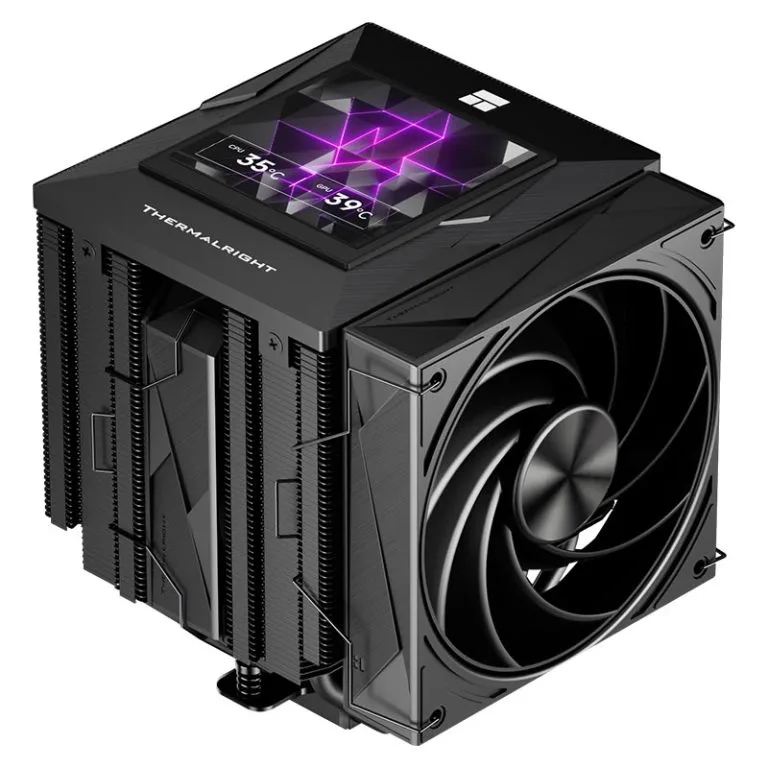
Thermalright Introduces Royal Pretor 130 Vision Cooler with Integrated 3.95-Inch Color Display
July 21, 2026
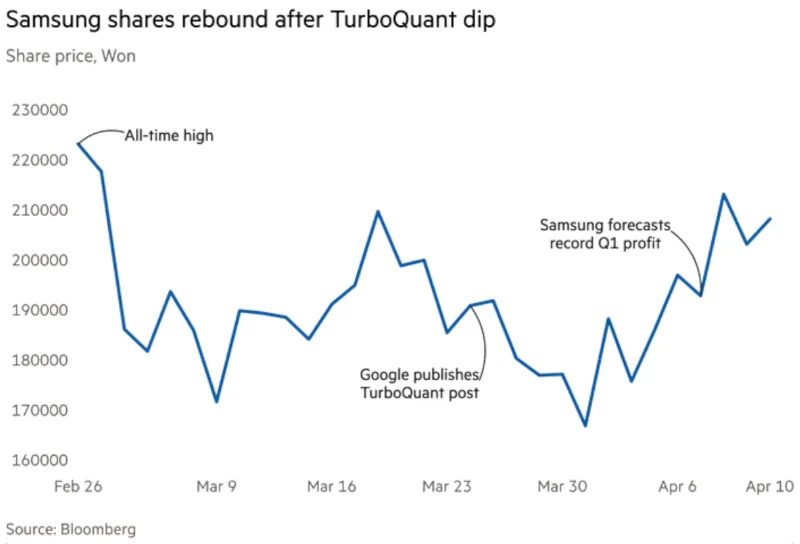
Samsung Electronics has reported an optimistic outlook for the first quarter of 2026, signaling robust growth in demand for semiconductor memory chips used in artificial intelligence (AI) applications. The company’s strong profit projections have alleviated investor concerns regarding the potential negative effects of Google’s TurboQuant algorithm on memory chip consumption.
Google introduced TurboQuant as an AI optimization technique aimed at enhancing the efficiency of machine learning models. Initially, industry observers speculated that such algorithms could reduce the need for high-capacity memory components by improving model compression and runtime performance. This possibility raised questions about a potential decline in demand for memory chips, particularly those produced by leading suppliers like Samsung.
However, Samsung’s recent financial outlook challenges this assumption. The South Korean technology giant expects earnings for the first quarter alone to surpass the total profit from the entire previous year. This forecast indicates that TurboQuant is unlikely to curtail overall memory consumption in AI workloads.
Industry experts suggest that rather than diminishing demand, advances in AI algorithms like TurboQuant may stimulate the deployment of more complex and widespread AI systems. This, in turn, could increase the requirements for memory hardware capacity and performance. As AI models grow in scale and complexity, the need for advanced memory solutions remains a critical factor for both hardware manufacturers and cloud service providers.
Samsung’s financial resilience amidst evolving AI software technologies underscores the continued importance of semiconductor memory chips in the AI ecosystem. The company’s leadership position in the memory market appears secure, supported by strong technology development and supply chain capabilities.
While detailed figures regarding future production capacity and investment strategies were not disclosed, Samsung’s positive outlook reflects broader trends within the semiconductor sector. Demand for AI-specific memory chips, including DRAM and NAND flash, is expected to remain a key growth driver for the industry in the coming years.
As AI applications continue to expand across various domains—from data centers to edge computing—semiconductor suppliers must balance the advancements in AI model efficiency with the escalating hardware requirements. Samsung’s strong quarterly earnings guidance serves as a bellwether for sustained investment and innovation in memory chip technology, despite emerging algorithmic efficiencies like those introduced by Google.
Samsung anticipates rising demand for memory chips as strong Q1 earnings diminish concerns over Google’s TurboQuant impact.