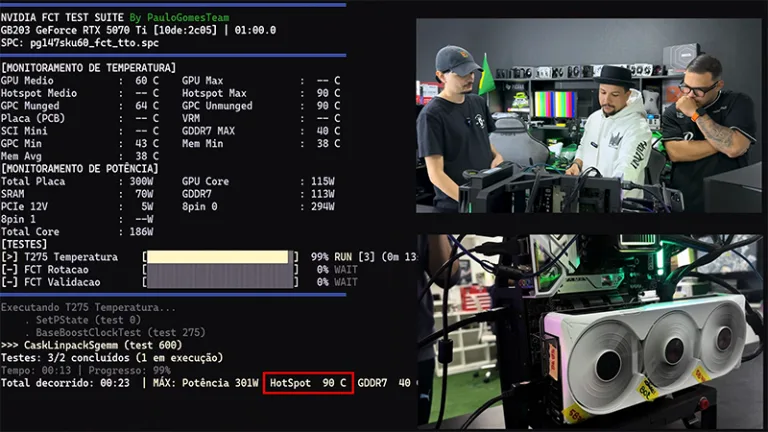
Nvidia GPUs Can Report Individual GDDR6 and GDDR6X Memory Chip Temperatures, Enthusiasts Discover
July 19, 2026
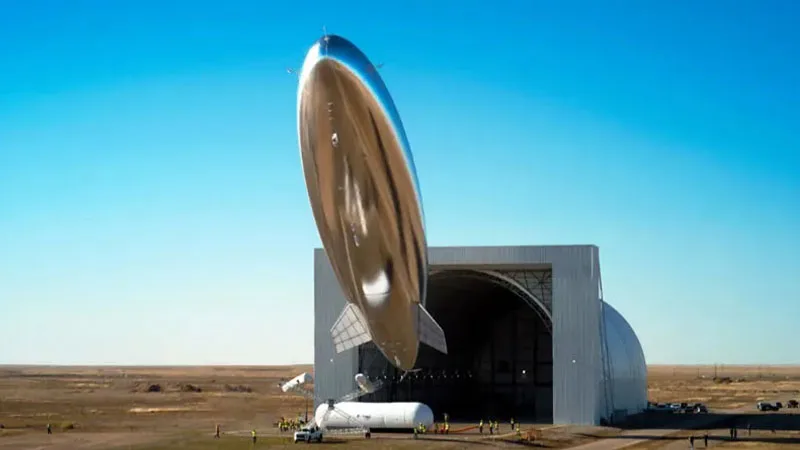
American aerospace firm Sceye recently completed a significant demonstration involving its stratospheric airship, the SE2, outfitted with solar panels and cellular base station technology. The test showcased the potential of high-altitude platform stations (HAPS) to provide wireless connectivity from the edge of the stratosphere.
The SE2 airship reached altitudes exceeding 15,000 meters (nearly 50,000 feet) and maintained continuous flight for a total of 12 days. During this mission, the airship traversed more than 10,000 kilometers as it traveled from the United States to Brazil. Notably, the cellular base station onboard operated uninterrupted for a duration of approximately 72 hours, highlighting the viability of sustained communications at such elevations.
Sceye specializes in the development of stratospheric platforms that aim to supplement or extend existing terrestrial communications infrastructure. The successful operation of the SE2 airship as a cellular base station represents a milestone in leveraging high-altitude vehicles to improve connectivity, especially in regions where traditional network infrastructure may be limited or difficult to deploy.
The strategic use of solar panels on the SE2’s structure allowed for long-duration flights without dependence on conventional fuel sources, demonstrating an energy-efficient approach to maintaining persistent high-altitude networks.
This recent mission serves as a final validation exercise before Sceye’s plans to commence experimental deployments in Japan. The company envisions that stratospheric platforms like SE2 could enhance telecommunications accessibility, disaster recovery communications, and provide supplemental network capacity.
While further details concerning commercial rollout timelines or pricing were not disclosed, the success of this long-duration test flight underscores the growing interest in innovative methods to extend cellular coverage using high-altitude vehicles operating beyond traditional satellite and ground-based alternatives.
Sceye’s SE2 airship operated as a cellular base station for three days from over 15,000 meters, marking a milestone for stratospheric connectivity.