Popular PC Components in Russia Highlight Nvidia RTX 50 Series and 1TB NVMe SSDs
July 21, 2026
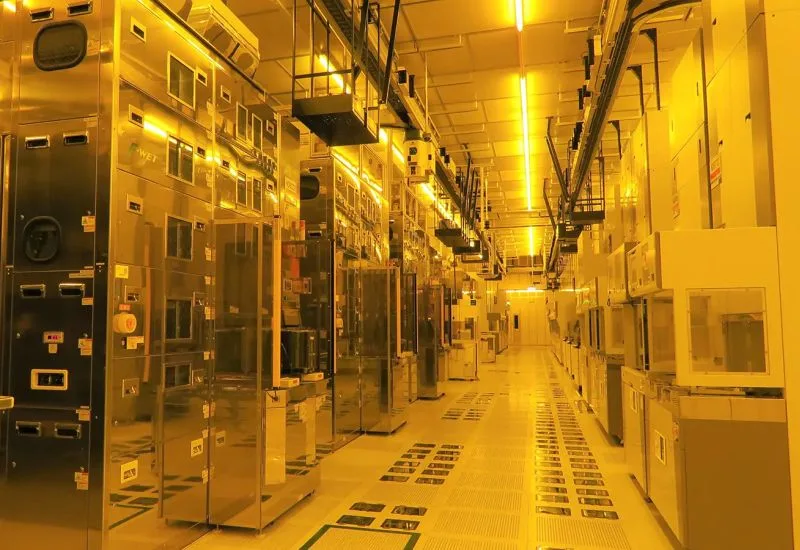
In the rapidly evolving semiconductor landscape, Chinese startup Dishan Technology has reportedly developed a prototype of an advanced artificial intelligence (AI) processor built on 2-nanometer (nm) technology. This development adds to China’s ambitions in pushing the boundaries of chip design, particularly in the AI domain.
Traditionally, Huawei Technologies has been prominently featured as a key player in China’s semiconductor advancements, frequently collaborating with domestic manufacturing foundries like Semiconductor Manufacturing International Corporation (SMIC). However, Dishan represents a newer company venturing into the cutting edge of chip innovation independently.
Dishan’s announcement of a 2-nm AI chip prototype is notable given the extreme technical challenges associated with producing chips at this scale. The move signals substantial progress in design capabilities within China’s semiconductor startup ecosystem.
Despite the prototype’s completion, Dishan has not disclosed the details regarding who will handle the fabrication of the chip at such a fine manufacturing node. This presents a significant question within the semiconductor supply chain, as foundries capable of reliably producing at 2-nm are primarily concentrated outside China and remain highly specialized and capital-intensive.
The absence of a confirmed manufacturing partner highlights broader challenges faced by emerging chip designers in China, where domestic production capacity for the most advanced nodes is still developing. It also underscores the division between design innovation and fabrication capabilities, which requires substantial cooperation to bring cutting-edge processors to market.
While Dishan’s move reflects ambition and technical prowess, executing high-volume production of 2-nm chips will depend on either expanding domestic manufacturing technologies or forging new partnerships with foreign foundries, details of which are yet to be specified.
The advancement of 2-nm process technology in chip design has significant implications for AI applications, potentially enabling faster computation and increased energy efficiency. Dishan’s prototype could signal future shifts in the competitive landscape for AI hardware, especially as more companies worldwide race to develop next-generation semiconductors.
As China continues to invest heavily in semiconductor innovation, the emergence of startups like Dishan indicates a diversification of efforts beyond established giants. However, the complex interplay between chip design and manufacturing capacity remains a critical factor in realizing the commercial potential of these technological breakthroughs.
Chinese company Dishan is working on a 2-nanometer AI processor prototype, though its manufacturing partner remains unclear.