Oracle’s Debt Challenges Threaten AI Data Center Project for OpenAI
July 21, 2026
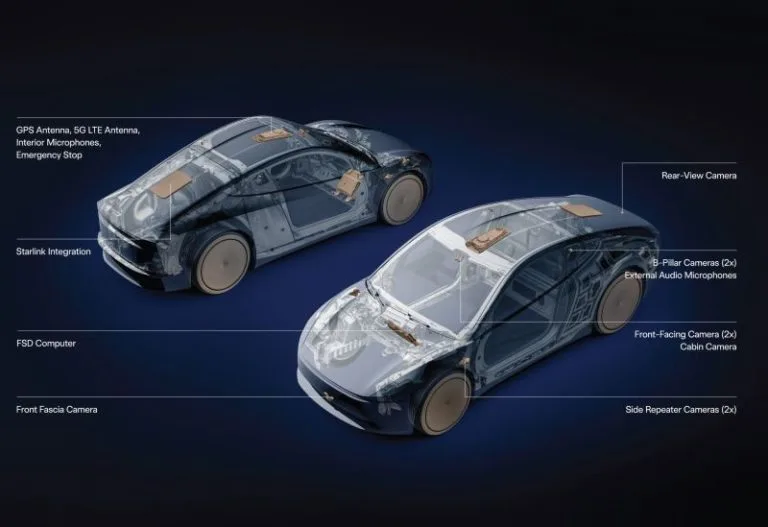
Tesla has formally launched its autonomous robotaxi service in two more cities within Texas, marking an incremental expansion of its driverless ride-hailing platform. This move aligns with the company’s evolving strategic focus under CEO Elon Musk, who has increasingly emphasized autonomous transportation and humanoid robotics as key priorities.
The announcement comes as Tesla prepares to release a detailed quarterly report covering its recent financial and operational results. By introducing the robotaxi service to new urban areas, the company aims to underscore tangible progress in its autonomous vehicle ambitions ahead of the upcoming disclosure.
The rollout of Tesla’s robotaxi network to additional Texan cities demonstrates the company’s ongoing efforts to develop scalable, driverless mobility solutions within the United States. Texas represents a critical market for Tesla’s broader goal of commercializing its self-driving technology, given the state’s sprawling urban regions and growing interest in electric transportation options.
This incremental launch supports Tesla’s longer-term vision to integrate artificial intelligence and autonomous driving systems into everyday transit, reducing reliance on human drivers and offering a potentially disruptive alternative to traditional ride-sharing services. While details such as exact cities, service coverage, and pricing have not been disclosed, the expansion signals increased operational readiness.
Elon Musk’s growing emphasis on robotaxis parallels Tesla’s simultaneous investment in humanoid robots, indicating an overall strategy to lead in multiple facets of AI-enabled technologies. The company’s upcoming quarterly report is expected to shed further light on progress in these areas, responding to investor and market expectations.
As Tesla moves forward with its robotaxi deployments, regulatory and technological challenges remain integral to the public’s adoption and safety considerations. Nonetheless, expanding services to multiple urban centers illustrates the company’s commitment to advancing autonomous driving from concept to commercial reality.
Tesla’s approach contrasts with other automakers and technology firms pursuing autonomous mobility by integrating robotic platforms into a broader ecosystem of electric and AI-powered innovations. This multidimensional strategy positions Tesla at the intersection of transport, robotics, and artificial intelligence, aiming to redefine future urban mobility.
Observers will be watching closely how Tesla’s robotaxi service scales in Texas and beyond, especially as the company navigates evolving regulatory standards and consumer acceptance. The upcoming quarterly report will likely provide additional insights on operational metrics, technological milestones, and strategic priorities related to Tesla’s autonomous fleet expansion.
Tesla has extended its robotaxi service to two additional cities in Texas as it prepares to release its quarterly performance report.