App Store Sees Surge in New Apps Amid Growth of No-Code Platforms in Early 2026
July 21, 2026
Intel reported a notable increase in revenue from its data center segment in the first quarter, driven by unexpectedly high demand for its processors. This surge has led the company to liquidate inventory that would have otherwise remained unsold, including chips from previous generations.
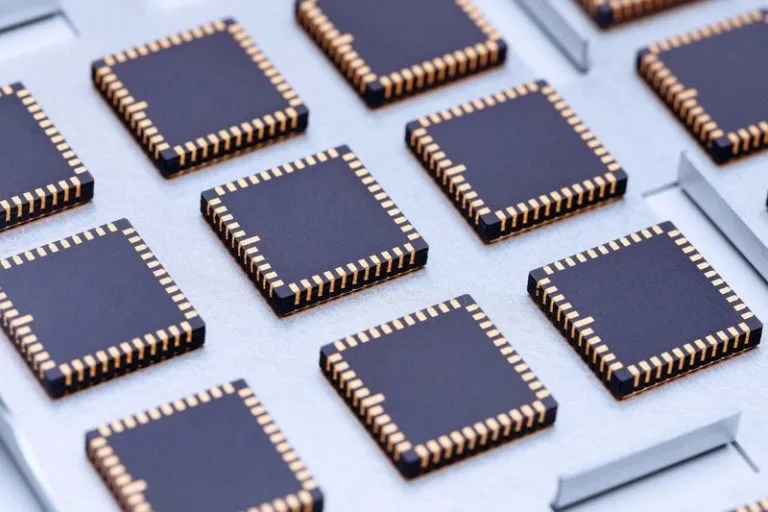
Traditionally, certain Intel processors—particularly those from older production runs—were often set aside or discarded due to minor defects or the availability of newer, more efficient models. However, the current market conditions, characterized by a spike in processor orders from data center customers, have encouraged Intel to reconsider its inventory policies. As a result, the company has begun offering even some of the chips that might have been rejected in earlier times.
Despite their prior status, these chips maintain adequate operational performance, albeit with some limitations. Selling this previously overlooked stock not only helps Intel manage its supply chain more effectively but also meets the growing demand within the cloud and server markets.
The company’s strategy reflects a pragmatic approach to capitalizing on market conditions and addressing supply challenges. By tapping into older and previously sidelined inventory, Intel can bolster its sales figures and ensure a steadier supply of processors amidst fluctuating demand patterns in the data center industry.
This move sheds light on the current dynamics within the semiconductor sector, where robust demand can shift the valuation and usability of older technology. Intel’s ability to adapt to these trends may influence how other manufacturers handle their processor inventories in response to market shifts.
Pricing details and the precise volume of these chips reintroduced into the market have not been disclosed, leaving industry watchers to speculate on the impact this strategy will have on Intel’s competitive positioning throughout the year.
Intel’s strong data center sales led to increased demand, prompting the company to sell older and previously discarded processors.