App Store Sees Surge in New Apps Amid Growth of No-Code Platforms in Early 2026
July 21, 2026
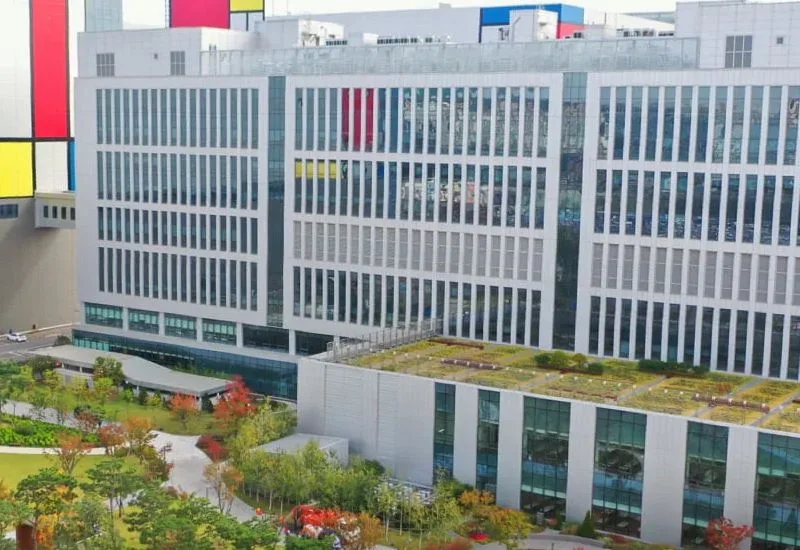
Samsung Electronics is facing a notable disruption in its memory chip production following a worker walkout at its facility in Pyeongtaek, South Korea. This event, described as a rehearsal for a larger strike, saw employees not reporting for a night shift, resulting in an 18% decrease in memory output at that particular plant.
Despite the significant cutback at the Pyeongtaek site, which plays a key role in Samsung’s memory manufacturing, the company also maintains production capabilities at other locations, including multiple plants in China. This geographic diversification means that the overall global supply of DRAM chips is expected to be less impacted. Industry observers estimate that the upcoming 18-day strike in South Korea could reduce global DRAM production by only around 3% to 4%.
Nonetheless, these reductions come at a time when the global memory market is already strained by supply shortages. The strike-induced drop in output is likely to add pressure to an already tight supply chain, potentially leading to increased memory prices across sectors reliant on these components.
Samsung’s memory products are crucial for a wide range of technology applications, including smartphones, computers, and servers. As such, any decline in supply has ripple effects beyond just manufacturing statistics. Even a modest production decline can contribute to tighter availability and affect pricing strategies for OEMs and consumers alike.
The company is reportedly working to mitigate the strike’s effects by leveraging output from its other manufacturing sites. However, the full impact on global memory availability and pricing will depend on the strike’s duration and whether it escalates beyond initial forecasts.
Labor tensions in key semiconductor hubs like South Korea highlight the vulnerability of the memory supply chain to workforce disruptions. As memory demand continues to grow with advancements in AI, cloud computing, and mobile technology, maintaining steady production output remains a critical challenge for industry leaders like Samsung.
While Samsung Electronics has not disclosed detailed plans to resolve the labor dispute or the financial implications of the strike, the event underscores the interconnected nature of global tech manufacturing and the delicate balance required to keep supply chains stable amid workforce uncertainties.
A worker strike at Samsung’s South Korean plant is set to reduce global memory chip output, potentially increasing prices during ongoing supply shortages.