Honor Launches X7e Smartphone in Russia Featuring 7200mAh Battery and AI Shortcut Button
July 21, 2026
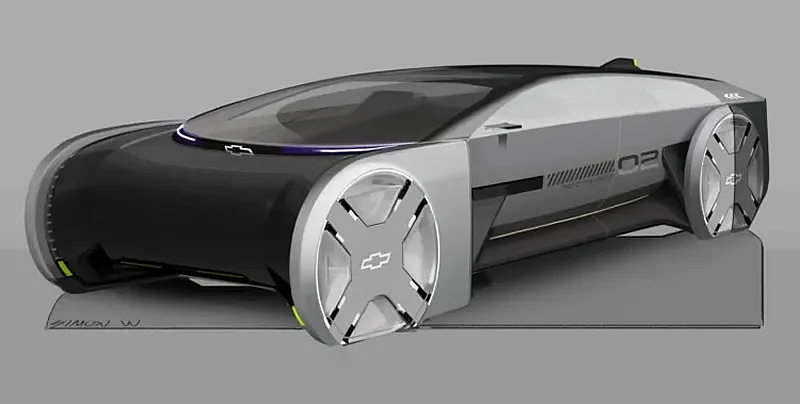
Leading car manufacturers are intensifying efforts to integrate artificial intelligence (AI) tools within their vehicle development processes in a move that could drastically shorten product cycles. This emerging trend is poised to transform the automotive sector by enabling the design and aerodynamic evaluation phases to be completed at unprecedented speeds.
Traditionally, developing a new vehicle can span upwards of five years, encompassing extensive design iterations, wind tunnel testing, and multiple rounds of engineering refinement. However, with AI-powered systems now entering the forefront, automakers are targeting to cut development times by approximately half.
Among the early adopters is Nissan, which has publicly committed to reducing its vehicle creation cycle from the conventional five years down to about two and a half years. This ambitious goal is representative of a broader movement within the industry to utilize AI models capable of rapidly generating design alternatives and conducting aerodynamic simulations within minutes, a process that previously took weeks or months.
The introduction of these AI technologies allows for faster exploration of design variations and aerodynamic configurations, empowering engineering teams to make data-driven decisions with greater confidence and speed. This acceleration not only stands to enhance productivity but could also foster innovation, as designers experiment with novel concepts without the traditional time constraints.
Beyond speeding up individual workflows, the expanded adoption of AI may reshape the competitive landscape of the automotive industry. Companies that effectively harness such tools are likely to bring new models to market more swiftly, adapting quicker to evolving consumer demands and regulatory requirements.
While detailed specifics on the deployment strategies and the full range of AI applications being used across different manufacturers remain limited, the clear intent to leverage advanced machine learning for design and testing stages marks a significant milestone in automotive engineering.
As this technological shift gains momentum, it will be essential to monitor how AI integration impacts product quality, safety standards, and overall vehicle performance, ensuring that rapid development cycles do not compromise core industry values.
The next few years are expected to witness escalating investment in AI-driven development tools, highlighting a critical juncture where artificial intelligence moves from concept to a foundational element of automotive design and manufacturing.
Major automakers leverage AI to cut vehicle development cycles in half, accelerating design and aerodynamic analysis from years to minutes.