
Memory Chip Makers Face Potential DRAM Oversupply by 2028 Amid Massive Capacity Expansions
July 20, 2026
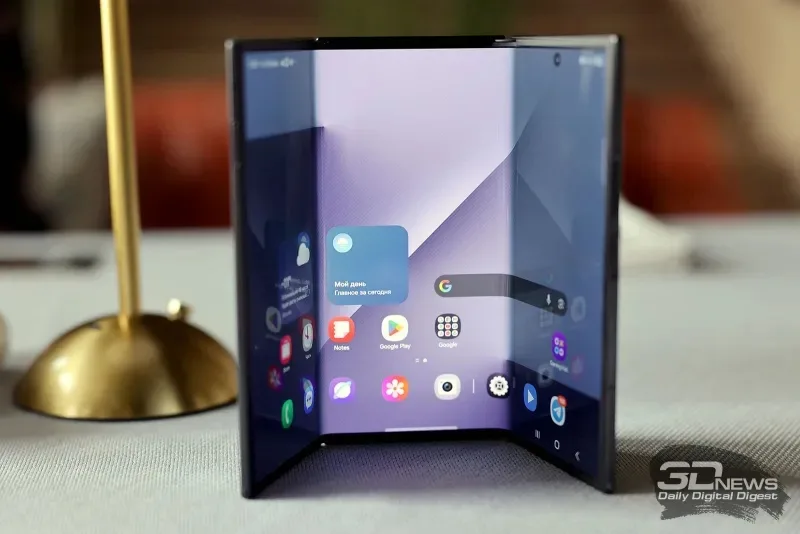
A lesser-known startup, Lepton Computing, has initiated legal proceedings against Samsung in the United States, accusing the South Korean electronics giant of infringing on its patented folding technology. The lawsuit specifically targets Samsung’s entire lineup of Galaxy Z Fold and Galaxy Z Flip devices, which feature foldable screen designs.
Lepton Computing claims that the technology underlying Samsung’s foldable smartphones is based on intellectual property it holds, and is seeking both an injunction to halt sales of the accused devices and compensation for alleged damages. However, the details of the case are complicated by Lepton’s current lack of a functioning product that exemplifies its claimed technology, making it difficult for observers to fully assess the merits of the allegations.
One noteworthy aspect of the case involves the timing of patents and product releases. Lepton’s earliest related patent dates back to 2021, which notably comes after Samsung had already launched its first Galaxy Fold device in 2019. This discrepancy raises questions about the foundation of the startup’s infringement claims, as Samsung’s foldable line predates Lepton’s patent filing by at least two years.
The Galaxy Z Fold and Galaxy Z Flip models have been commercially successful and represent a significant category in the expanding foldable smartphone market, thanks to their blend of smartphone and tablet experiences enabled through flexible display technology. Samsung has maintained a leading position in this sector, continuously refining the design and engineering of folding mechanisms.
Lepton Computing’s lawsuit underscores the growing complexities surrounding intellectual property rights in the evolving tech space, especially as companies push the boundaries of device form factors and functionality. Patent disputes in the field of foldable screens and hinge systems have become more common as numerous entities seek to protect innovations in this emerging category.
Further developments in this case will likely attract attention not only within the technology industry but also among legal professionals who specialize in intellectual property issues related to consumer electronics. Samsung has not publicly commented on the lawsuit, and specifics regarding case proceedings, potential settlements, or impacts on product availability remain pending.
The outcome of this lawsuit could influence future approaches to patent portfolios and innovation strategies among companies developing foldable devices. It also highlights the challenges startups face when asserting intellectual property claims against established industry players with early market entrants.
Lepton Computing has filed a lawsuit against Samsung, seeking to block Galaxy Z Fold and Flip sales over alleged folding technology patent violations.