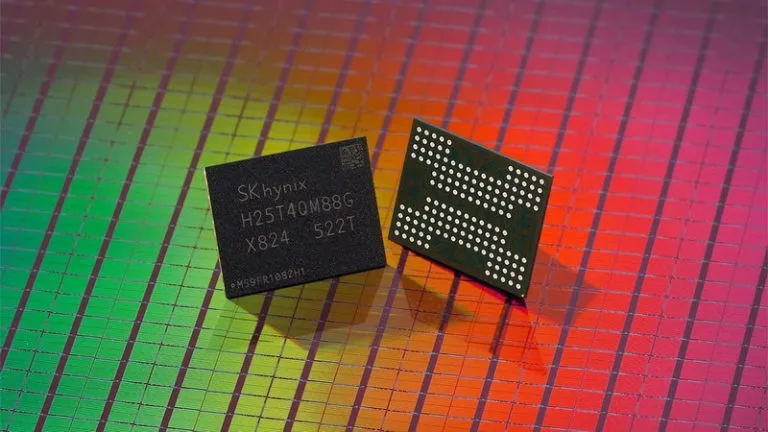
TrendForce Predicts Flash Memory Supply Shortage Will End in Late 2027
July 21, 2026
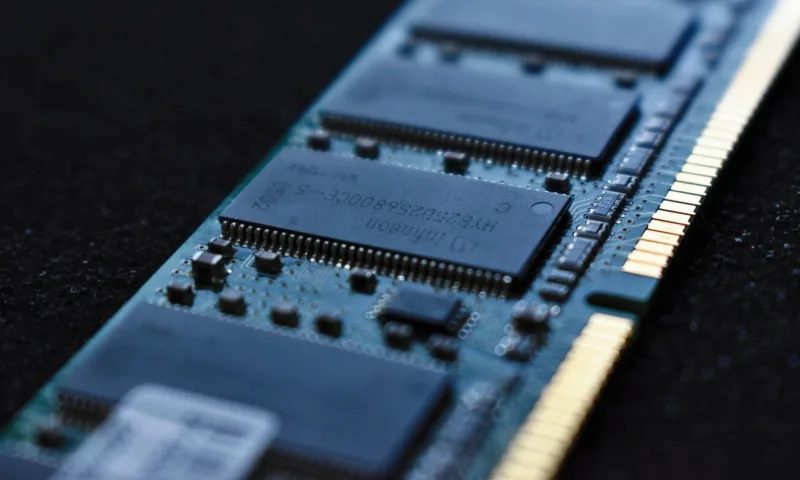
Samsung has issued a warning regarding the future of the global RAM supply, cautioning that the current tightness in the memory market may deteriorate further in 2027. This development is largely attributed to the surging demand from data centers specializing in artificial intelligence workloads.
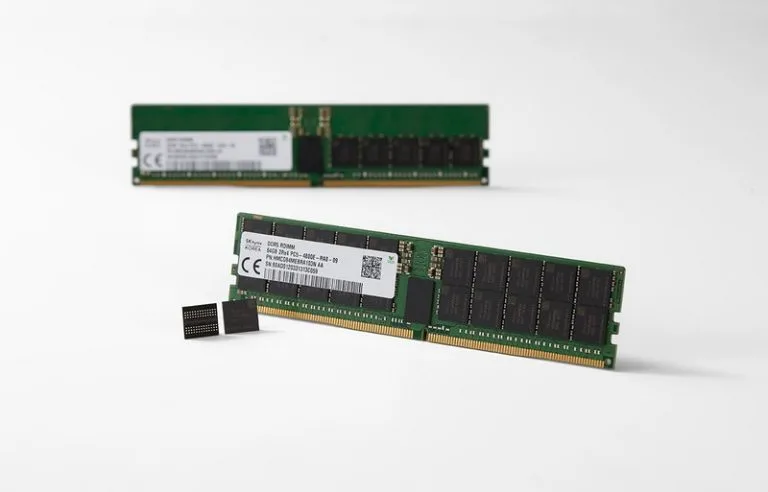
The shortage of dynamic random-access memory (DRAM) has become a growing concern across the tech industry, as memory capacity and speed are critical for operating large-scale AI applications. These data centers require increasingly large quantities of high-performance RAM to handle the compute-intensive processes fueling advances in AI.
During a recent earnings teleconference, a Samsung representative highlighted that while the supply constraints have persisted through the current year, they are expected not only to continue but to intensify next year. The company emphasized that this ongoing imbalance between supply and demand is primarily driven by the exponential growth of AI infrastructure investments.
As AI models become more sophisticated and are adopted more widely, the need for higher-capacity memory modules inside servers has amplified. This surge is challenging semiconductor manufacturers to rapidly scale production to meet the evolving requirements. Despite Samsung’s status as a leading global memory producer, the company acknowledges the difficulty in closing the gap as the ecosystem’s appetite for RAM expands.
The shortage extends beyond consumer devices, with enterprise and cloud service providers increasingly pushing the limits of memory technology. Data centers powering AI workloads need optimized DRAM with low latency and high bandwidth, making the manufacturing and supply chain complexities even more pronounced.
Industry analysts suggest that the memory market may continue to face volatility as these AI trends shape the hardware landscape in the coming years. Samsung’s forecast signals potential risks for tech companies relying heavily on RAM for their AI-driven products and services, underscoring the importance of supply chain diversification and innovation in memory technology.
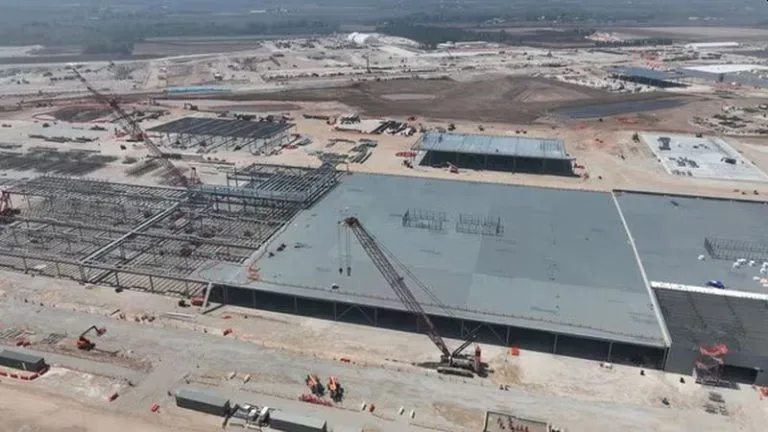
Market watchers are closely observing how Samsung and other key players in the semiconductor space plan to address this challenge, particularly whether investments in capacity expansion or alternative memory solutions will emerge to alleviate the pressure. Meanwhile, the potential exacerbation of the shortage in 2027 could have wide-reaching implications for pricing, availability, and the pace of AI development.
For now, Samsung’s warning serves as a critical alert to the tech ecosystem about the necessity to anticipate sustained tightness in memory supply, which may influence strategic decisions across sectors reliant on high-performance DRAM.
Samsung warns the shortage of RAM driven by AI data center demand will likely intensify in 2027, impacting the memory market.