Oracle’s Debt Challenges Threaten AI Data Center Project for OpenAI
July 21, 2026
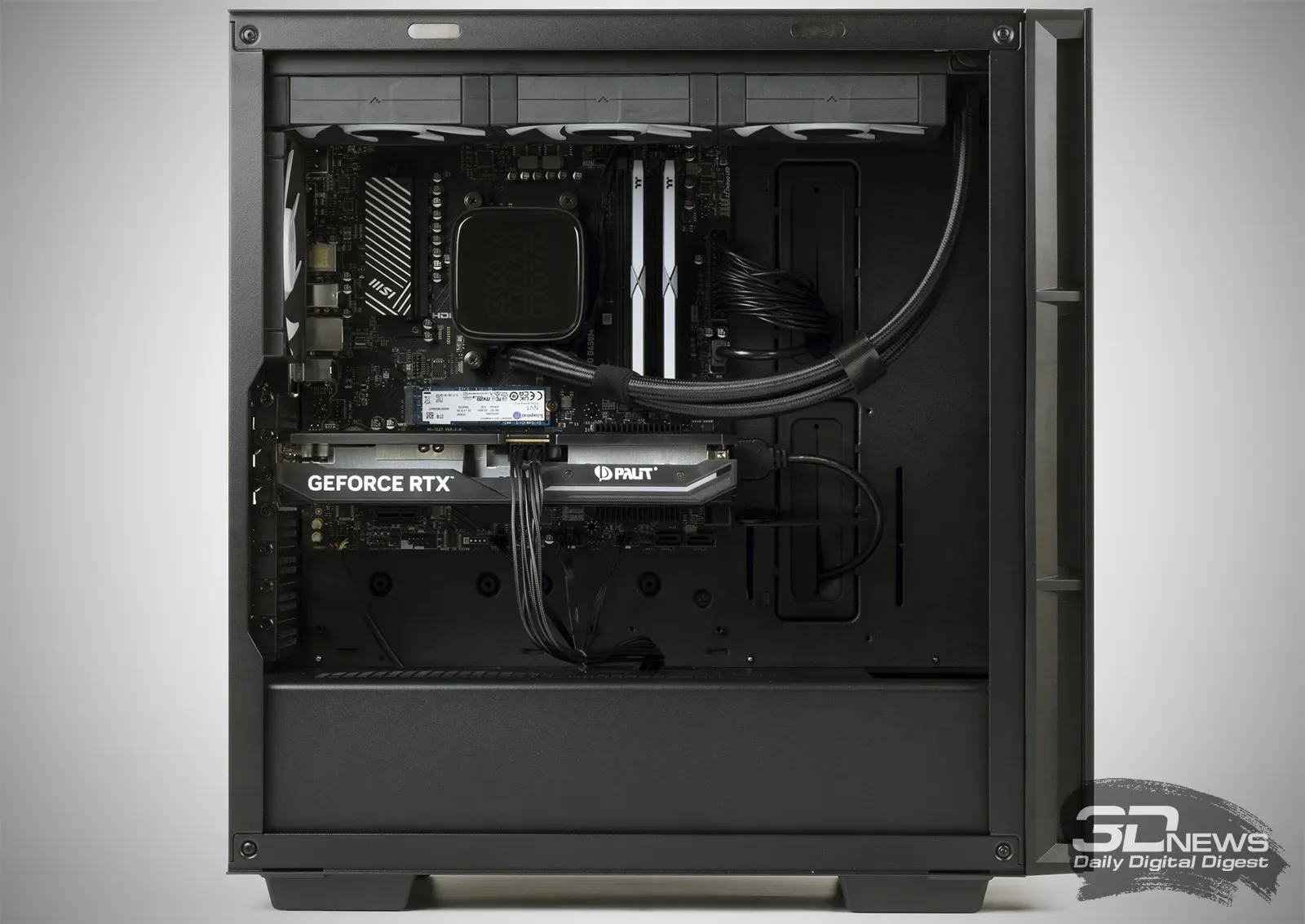
Over the past six months, the consumer electronics industry has grappled with an ongoing shortage of memory chips, affecting both casual users and PC enthusiasts. The scarcity has sparked concerns about rising prices not only for RAM modules but also for storage devices and graphics cards, intensifying challenges for those looking to assemble new gaming computers.
Analysts have highlighted several converging factors contributing to these market difficulties. Beyond the limited availability of memory components, the sector faces soaring costs of essential raw materials such as copper. Simultaneously, shortages of central processing units (CPUs) and broader energy constraints have further complicated production and supply chains.
In light of these issues, questions linger about how feasible it is to build a new gaming rig in 2026. Despite the warnings surrounding price hikes and component scarcity, the situation may not be as dire as initially anticipated. While budget considerations require careful attention due to fluctuations in hardware availability and cost, the market still offers viable paths for assembling capable gaming systems.
The memory chip deficit has led to noticeable inflation in prices for DRAM and solid-state storage solutions, though alternatives and second-source suppliers have somewhat alleviated the pressure. Graphics card markets remain volatile, with certain models maintaining premium pricing due to demand and supply imbalances. CPU supply shortages continue to challenge manufacturers, yet a range of options persists for consumers willing to navigate the current landscape.
Another element influencing the PC hardware environment this year is the ongoing energy crisis affecting production facilities worldwide. Energy-intensive manufacturing processes have incurred additional costs, indirectly impacting component pricing and availability. The industry’s adaptability to these constraints will play a critical role in shaping hardware accessibility going forward.
For prospective builders, understanding these dynamics is crucial to making informed decisions. Market vigilance and strategic purchasing may help mitigate the effects of supply chain fluctuations. While the environment demands greater effort to source components at reasonable prices, successful assembly of a gaming PC remains within reach as of mid-2026.
As the year progresses, continued monitoring of supply trends and price developments will be essential for enthusiasts and industry stakeholders alike. The interplay between resource scarcity, geopolitical factors, and technological advances will determine the trajectory of the PC hardware sector for the remainder of 2026 and beyond.
Despite ongoing supply shortages and rising costs, assembling a gaming PC in 2026 remains feasible amid evolving market conditions.