Oracle’s Debt Challenges Threaten AI Data Center Project for OpenAI
July 21, 2026
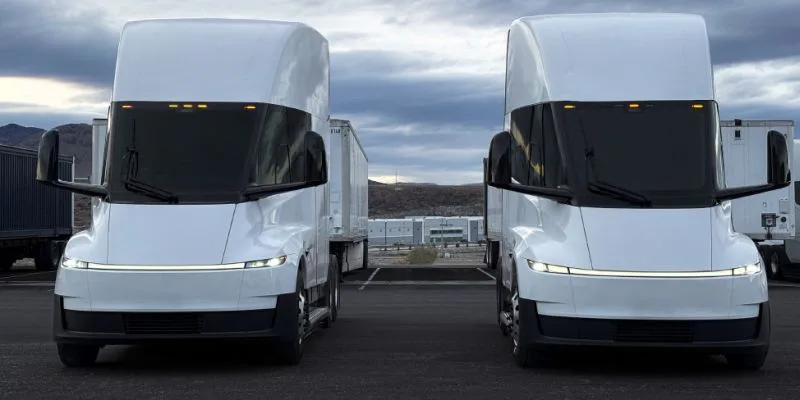
Tesla has recently begun mass production of its all-electric Semi trucks at a facility in Nevada, marking a significant milestone for the manufacturer’s commercial vehicle lineup. The Tesla Semi is one of several models expected to utilize the company’s advanced 4680 battery cells, a new format designed to boost energy density and overall vehicle performance.
Recent regulatory filings reveal that the production versions of the Tesla Semi are equipped with battery packs that have a lower capacity than originally advertised. While the initial projections suggested larger capacity packs, the finalized battery modules installed in the Semi models feature smaller energy storage solutions.
Despite this reduction in battery size, Tesla’s electric truck reportedly maintains its touted driving range, suggesting that the company has optimized other aspects of the vehicle’s design or powertrain efficiency. This development indicates that Tesla may have refined the balance between battery capacity and vehicle performance during the production ramp-up phase.
The decision to use smaller battery packs could be influenced by multiple factors, including supply chain considerations and manufacturing optimization. Tesla’s 4680 cells, which play a crucial role in boosting vehicle efficiency by reducing weight and improving thermal management, are also being allocated across several key models, including certain variants of the Model Y crossover and the upcoming Cybertruck pickup.
Although the Tesla Semi’s battery system has shifted from initial expectations, the company continues to position this vehicle as a competitive option in the electric commercial trucking market. Maintaining range capabilities while reducing battery capacity can help lower costs and improve production scalability—an important factor as electric trucks move toward broader adoption in freight and logistics operations.
The Tesla Semi aims to revolutionize heavy-duty freight transportation by offering electric powertrain advantages without sacrificing range or reliability. The apparent trade-off in battery size does not seem to diminish the vehicle’s practical usability, according to regulatory disclosures and available information.
As electric commercial vehicles continue to gain traction, Tesla’s ongoing manufacturing efforts and technological adjustments will be critical in setting standards for battery integration and performance optimization. Observers will be watching closely as more Semi trucks roll out and Tesla provides additional details on vehicle specifications and deployment.
Tesla Semi trucks have been equipped with smaller battery packs than initially planned, yet their driving range remains unaffected.