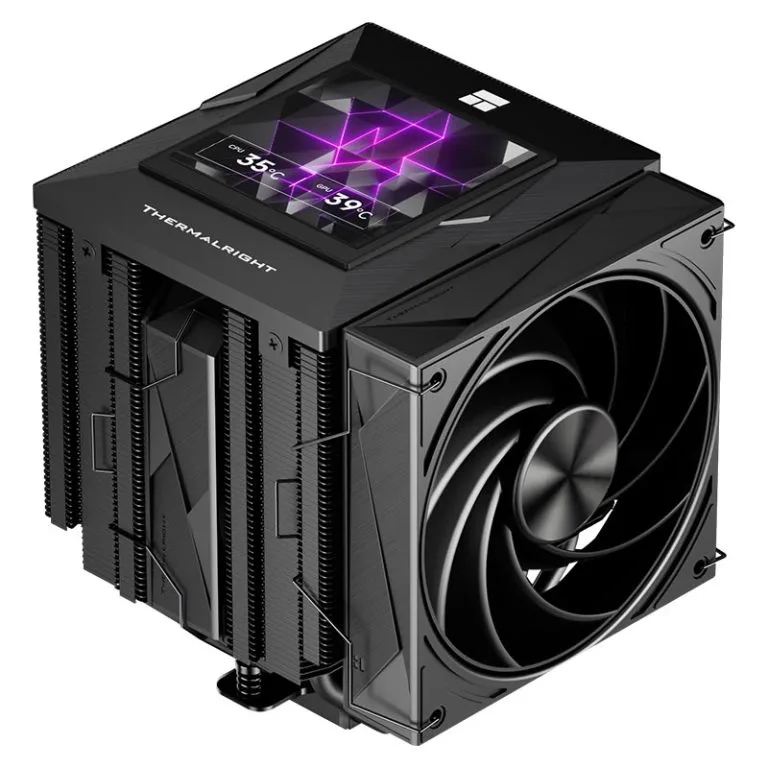
Thermalright Introduces Royal Pretor 130 Vision Cooler with Integrated 3.95-Inch Color Display
July 21, 2026
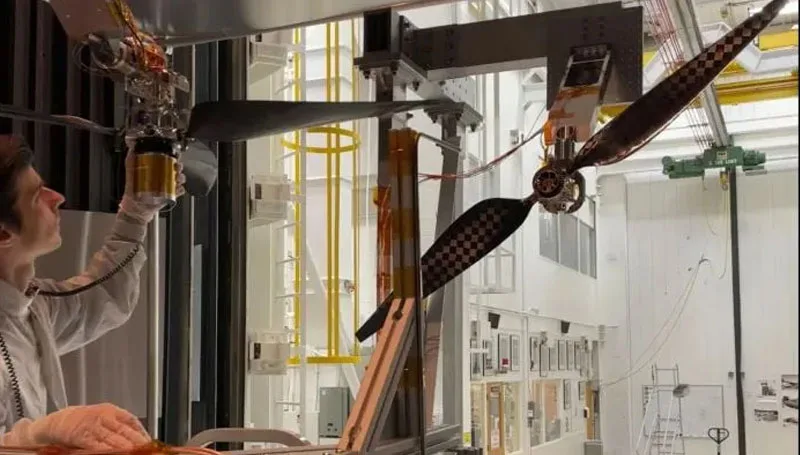
NASA engineers have reached a significant technological milestone in the development of rotor blades designed for the next generation of Mars helicopters. During recent testing, blade tips were spun at speeds exceeding the speed of sound, marking the first time such velocities have been achieved for Mars aerial vehicles.
The tested blades surpassed Mach 1.0, reaching a tip speed of about 1.08 Mach. This milestone represents a substantial increase—about one-third faster—compared to the rotor speeds of the Ingenuity Mars helicopter, the pioneering rotorcraft that conducted the first powered flights on the Martian surface.
Achieving supersonic rotor speeds is crucial for improving performance metrics of future Martian helicopters. Higher rotational speeds contribute to greater lift generation, which directly impacts payload capacity. This means that upcoming Mars helicopters could carry heavier scientific instruments or perform extended missions, broadening the scope of aerial reconnaissance and surface analysis on the Red Planet.
The engineering challenges of operating rotorcraft on Mars are unique due to its thin atmosphere—about 1% of Earth’s sea-level pressure—and low temperatures. To overcome these, NASA’s engineers continually push the limits of blade design, materials, and propulsion methods. Spinning rotor blades at supersonic speeds represents a leap forward in design capability, enabling more robust and capable aerial vehicles for planetary exploration.
The increased blade tip speed and resultant aerodynamic forces also offer valuable data for improving helicopter stability and control during Mars flights, where atmospheric conditions differ greatly from Earth. This data will likely influence the design of flight control systems and overall helicopter architecture.
While specific details about the testing environment, blade materials, and future helicopter deployment timelines have not been disclosed, this achievement hints at NASA’s ongoing commitment to advancing rotorcraft technology for off-world applications.
Following Ingenuity’s success, NASA continues to innovate in Martian aerial exploration, striving to enhance flight duration, range, and payload, which are critical for upcoming missions aiming to gather comprehensive data and possibly support human exploration.
NASA has achieved a milestone by spinning Mars helicopter blades at supersonic speeds exceeding Mach 1, indicating enhanced future payload capacity.