Honor Launches X7e Smartphone in Russia Featuring 7200mAh Battery and AI Shortcut Button
July 21, 2026
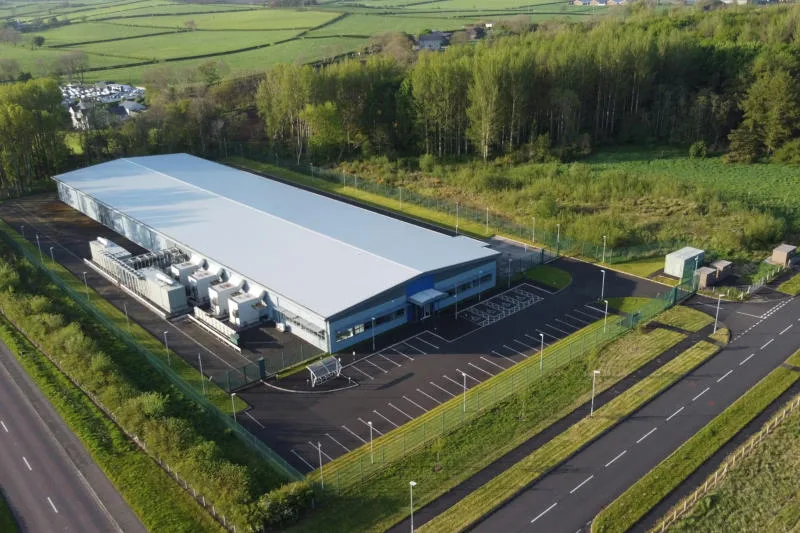
Across the United States, an increasing number of local jurisdictions are implementing restrictions on the construction of new data centers. These actions reflect growing public resistance to such facilities, which has led to widespread limitations and outright bans in multiple regions.
Recent data compiled by the U.S. Data Center Moratorium Tracker highlights a notable trend: regulations curbing data center development now exist in 69 administrative divisions nationwide. Within these areas, 50 have enacted formal prohibitions on building new data centers, part of a broader movement to manage the impact these facilities have on communities and resources.
Among the prohibitive measures, four jurisdictions have implemented indefinite bans that preclude any new data center construction. The emergence of these permanent restrictions indicates intensified concerns regarding infrastructure, environmental impact, energy use, and local quality of life.
The adoption of new bans has accelerated in recent months, with 14 additional regions imposing building prohibitions during March and April alone. This surge underlines a growing momentum among municipalities to exert greater control over how data center developments unfold within their borders.
While data centers play a crucial role in supporting cloud computing, digital services, and the broader technology ecosystem, their establishment often raises complicated questions. Critics frequently cite significant energy consumption, increased water usage, noise, and land use concerns as reasons for resistance, prompting communities to pause or reject new projects. As such, balancing the technology sector’s needs with environmental and civic priorities has become a complex challenge.
These expanding moratoriums demonstrate a shift in how local governments approach the tech infrastructure landscape. Future data center proposals are likely to face more rigorous scrutiny, and developers may need to explore new approaches for sustainability and community engagement to navigate an increasingly cautious regulatory environment.
With digital demand continuing to grow, how the industry adapts to these constraints could shape the pace and location of future data center expansions across the country.
U.S. communities increasingly impose limits and bans on new data center developments amid rising concerns nationwide.