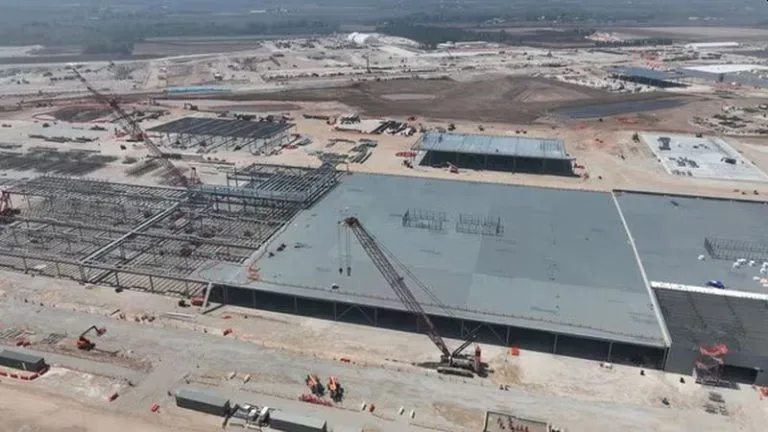
TrendForce Predicts Flash Memory Supply Shortage Will End in Late 2027
July 21, 2026

James Thain, a network architect, has unveiled a proposal for a new internet protocol named IPv8. Instead of replacing existing IP standards, this protocol is designed to build upon the widely used IPv4 system, ensuring seamless backward compatibility. Unlike the ongoing adoption of IPv6, IPv8 looks to enhance the familiar infrastructure without requiring a full transition.
The concept behind IPv8 is not to serve as a successor to IPv6 but to act as an extension of the current IPv4 protocol. Given that IPv4 continues to underpin much of today’s internet despite its limitations, the new protocol aims to expand its capabilities while preserving compatibility with existing network systems and devices.
Thain’s initiative also seeks funding to develop a testing environment where the feasibility and benefits of IPv8 can be demonstrated. This would provide stakeholders and industry participants an opportunity to assess the protocol’s potential impact under real-world conditions.
By integrating enhancements directly within an IPv4-compatible framework, the IPv8 protocol promises to address some emerging challenges in internet communication without the complexity and disruption of a wholesale switch to IPv6. It remains to be seen how the industry will respond to the proposal and whether IPv8 could pave the way for a new approach to evolving internet standards.
Further technical details, timelines, and deployment plans have not yet been disclosed as the project is currently in the conceptual and fundraising phase.
Network architect James Thain introduces IPv8, aiming to extend IPv4 while maintaining compatibility, rather than replacing IPv6.