Oracle’s Debt Challenges Threaten AI Data Center Project for OpenAI
July 21, 2026
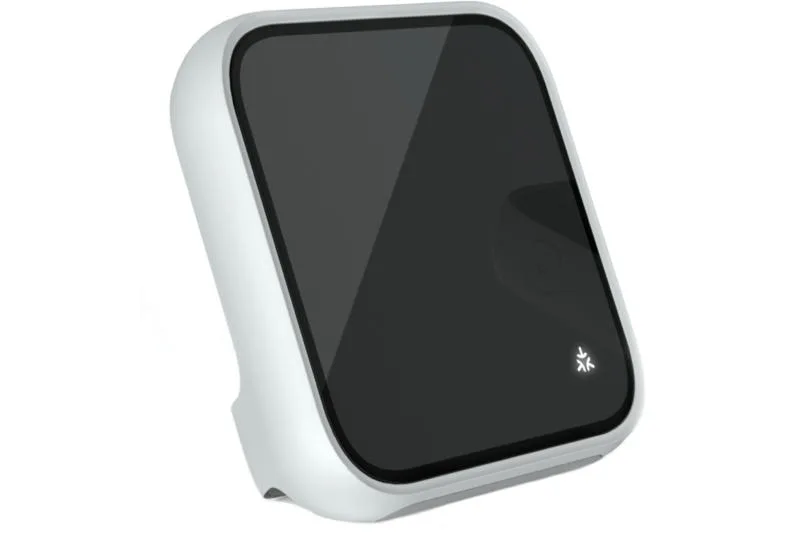
The developers behind the Matter smart home standard and the OpenADR communication protocol have announced a collaboration aimed at enhancing the interaction between smart home devices and electric utility networks. This initiative is designed to make energy consumption more efficient and help users lower their electricity bills.
Matter has quickly gained prominence as a leading interoperability standard for connected home devices, facilitating seamless communication across a wide range of smart appliances and ecosystems. OpenADR, on the other hand, is widely employed by electricity providers and grid operators to automate demand response and manage energy distribution across the power grid.
The integration of Matter with OpenADR will enable smart home products to more effectively respond to signals and pricing information sent by utilities. This improved coordination will empower users to shift their energy usage to off-peak periods and adjust consumption based on real-time grid conditions.
By aligning device behavior with energy availability and costs, this collaboration is expected to provide both environmental and economic benefits. Smart home users can better manage power demand, reducing strain on the electrical grid during peak times while potentially saving money through dynamic pricing models.
The move comes as part of a larger trend towards smarter energy ecosystems where home automation intersects with utility infrastructure. Enhanced communication standards like this can facilitate cleaner and more sustainable energy use by making it easier for households to participate in grid stability efforts.
Details on the timeline of the integration and how it will be implemented across manufacturers and energy providers have not been disclosed. However, the partnership signifies a critical step toward a more connected and efficient energy future where smart homes play an active role in grid management.
Consumers could soon see their smart home devices automatically adjusting heating, cooling, and other electrical loads based on notifications from their energy supplier, helping them avoid higher rates during peak hours. The collaboration may also open opportunities for new services and incentives designed to promote energy conservation.
As the adoption of smart home technologies continues to grow, ensuring compatibility with utility communication standards like OpenADR will be key to maximizing the benefits for both users and the electrical grid. The combined effort of the Matter and OpenADR communities represents a significant milestone in this direction.
The Matter smart home standard will integrate with OpenADR to optimize energy use and reduce electricity costs through better grid interaction.