Oracle’s Debt Challenges Threaten AI Data Center Project for OpenAI
July 21, 2026
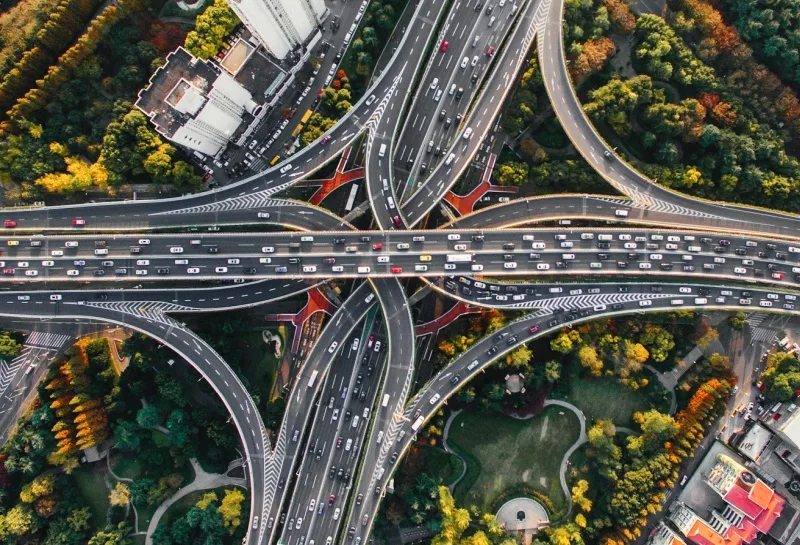
As cities across the United States strive to maintain road quality, new technological advancements are enhancing the way infrastructure problems are identified and addressed. Automobiles equipped with sophisticated sensor systems are now capable of detecting road hazards such as potholes and communicating this data to municipal agencies responsible for road maintenance.
Two leading companies in the mobility sector, Waymo and Waze, have launched a pilot initiative aimed at sharing real-time road condition data gathered by their sensor networks with local government authorities. This program is designed to help cities receive timely and precise information about road surface anomalies, which can facilitate faster repairs and improve overall driving safety.
Building upon this concept, Samsara, a company known for its connectivity solutions in commercial transportation, is developing its own project titled “Ground Intelligence.” This initiative leverages data collected from sensors already installed in millions of heavy-duty trucks. By processing information from freight vehicles, Samsara aims to create a comprehensive understanding of roadway conditions over extended areas and periods.
The integration of AI technologies into vehicles represents a significant shift toward proactive infrastructure monitoring. Traditionally, identifying issues such as potholes has relied on manual inspections or citizen reports, which can be delayed or inconsistently detailed. AI and sensor systems enhance detection accuracy and provide continuous monitoring, reducing the time between damage occurrence and repair dispatch.
Moreover, data collaboration between private companies and municipal governments can streamline maintenance workflows. With automated updates sent directly from vehicles frequently traversing urban and rural routes, authorities can prioritize interventions based on verified conditions rather than anecdotal reports or routine schedules.
This emerging approach also aligns with the broader vision of smart cities, where interconnected technologies improve urban living. Real-time road condition reporting can contribute to traffic management, road safety strategies, and infrastructure investment planning. While specific deployment plans, pricing, and expansion timelines have not been detailed, the current pilot programs indicate growing momentum for AI-driven infrastructure monitoring.
As vehicle sensors become more widespread and data-sharing frameworks mature, the collaboration between automotive companies and public agencies is expected to strengthen. This technological convergence promises more responsive and effective management of road networks, benefiting both drivers and municipalities alike.
Advanced sensors in vehicles now enable AI to detect and report potholes and road issues directly to city maintenance teams.