Popular PC Components in Russia Highlight Nvidia RTX 50 Series and 1TB NVMe SSDs
July 21, 2026
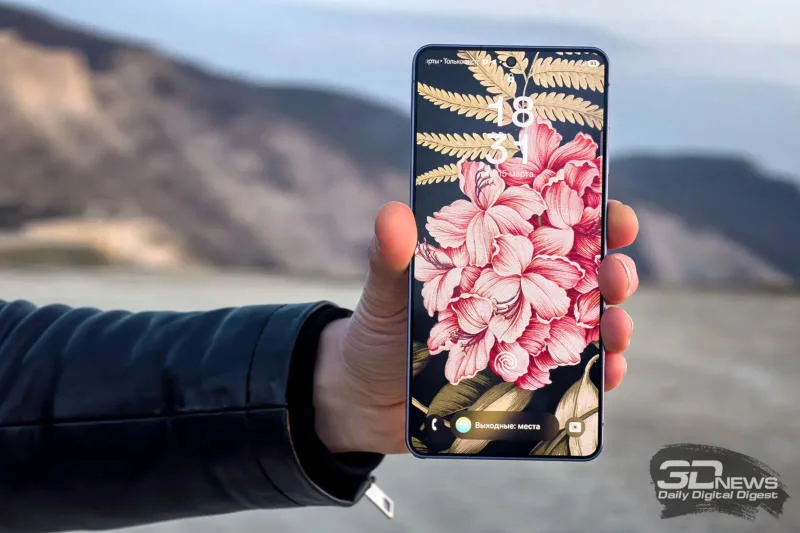
Recent market forecasts indicate a significant shift in the integration of artificial intelligence within consumer electronics, particularly in the premium smartphone segment. Experts predict that within the upcoming year, the majority of high-end smartphones will come equipped with applications powered by AI agents.
The trend towards embedding AI capabilities directly into premium smartphones is set to accelerate quickly. These AI agents, which function as smart personal assistants, will provide users with enhanced interaction, better contextual understanding, and more efficient task automation than current solutions.
This development reflects an increasing demand to create more intuitive and responsive user experiences, leveraging advances in machine learning and natural language processing. Manufacturers are focusing on incorporating these AI-driven applications as a core feature of their flagship devices to maintain competitive advantages and meet evolving consumer expectations.
Despite the rapid adoption in smartphones, the wearable technology sector is not expected to follow at the same pace. Industry analysts suggest that the inclusion of AI agents in wearables will take considerably longer, with projections estimating a timeframe of approximately six years before such integration becomes widespread.
The delay in wearables adopting AI agents likely stems from the unique technical challenges these devices face, including constraints related to size, battery life, and processing power. While wearables continue to grow in popularity and functionality, the complexity of embedding advanced AI programs remains a barrier to immediate implementation.
Overall, the anticipated rapid integration of AI in premium smartphones indicates a transformative period for mobile technology. Users can expect more personalized and efficient features that leverage artificial intelligence directly on their devices. However, those interested in AI-powered wearables might need to wait significantly longer for similar capabilities to become mainstream in that segment.
Most premium smartphones will feature AI agent apps within a year, but similar tech in wearables is expected to take six more years.