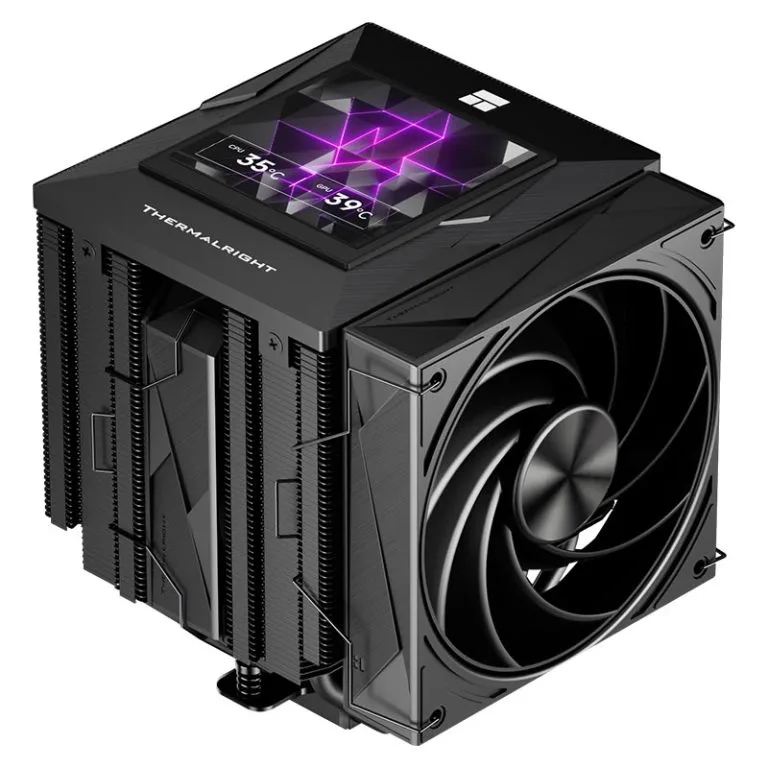
Thermalright Introduces Royal Pretor 130 Vision Cooler with Integrated 3.95-Inch Color Display
July 21, 2026
At the Windows Hardware Engineering Conference (WinHEC) 2026, Microsoft unveiled a significant new effort aimed at improving system stability in Windows 11 by targeting one of the primary causes of system crashes: problematic third-party drivers. This initiative, dubbed the Driver Quality Initiative (DQI), is designed to isolate external drivers in order to prevent them from causing blue screen errors that disrupt user experiences.
Microsoft and its hardware partners are embarking on a broad strategy known as Project K2, focused on rebuilding user trust in Windows 11’s interaction with PC hardware. Central to this strategy is the Driver Quality Initiative, which sets out to upgrade the way Windows 11 handles third-party drivers. By isolating these drivers, the operating system can better shield itself from faults that traditionally result in system crashes or blue screen events.
Third-party drivers, typically created by hardware manufacturers to enable new components to work with Windows, have historically been a significant source of instability. In many cases, conflicts or bugs within these drivers have led to the notorious blue screen of death (BSOD), interrupting workflows and potentially causing data loss. Microsoft’s new approach aims to contain these drivers so that any failure can be managed without affecting the core operating system.
The WinHEC 2026 announcement also highlighted that the DQI is part of Microsoft’s larger commitment to optimizing hardware support and ensuring smoother communication between Windows 11 and a diverse range of devices. By improving the reliability of drivers, Microsoft hopes to reduce the frequency of system failures and enhance overall user satisfaction.
While specific technical details and rollout timelines were not fully disclosed, the initiative indicates Microsoft’s proactive stance in addressing reliability issues common in modern computing environments, particularly as more complex hardware configurations become standard. The partnership with hardware makers further underscores a collaborative effort to deliver more robust and stable experiences for Windows 11 users worldwide.
Moving forward, users can expect gradual improvements in driver handling, potentially yielding fewer interruptions and better performance consistency. The success of this initiative could also lay the groundwork for additional innovations in how Windows interacts with hardware at fundamental levels, reinforcing Microsoft’s position in the operating system market.
Microsoft introduces a new strategy to isolate third-party drivers, aiming to reduce blue screen crashes in Windows 11.