Honor Launches X7e Smartphone in Russia Featuring 7200mAh Battery and AI Shortcut Button
July 21, 2026
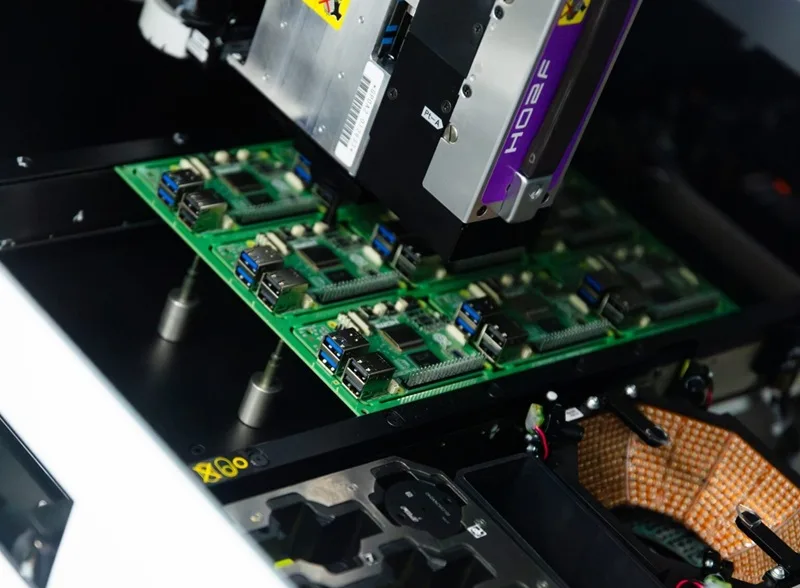
Raspberry Pi, the widely used manufacturer of single-board computers, has announced another price increase across multiple models in its lineup. The company attributes the adjustment to the ongoing escalation in the cost of memory components.
This recent price hike is not the first time Raspberry Pi has raised costs due to the rising expenses associated with memory. The company previously implemented similar measures in October of the previous year when supply chain challenges contributed to increased prices for memory chips.
Memory remains a critical and costly component for single-board computers, impacting the final product cost significantly. As global demand and supply chain disruptions continue to affect the semiconductor market, Raspberry Pi is among several hardware manufacturers adjusting prices to align with increased material expenses.
Raspberry Pi devices are popular in a variety of educational, hobbyist, and industrial applications, providing affordable computing solutions on a compact platform. However, these price adjustments may affect accessibility for some users, particularly those purchasing multiple units for large-scale projects or educational programs.
The company has not disclosed specific pricing details related to the latest increase, nor has it indicated whether this change will impact all models evenly or be targeted to select versions. Similarly, there is no information regarding potential timing for future adjustments or strategies to mitigate similar cost pressures.
Industry observers note that semiconductor components, especially memory, have experienced considerable price volatility in recent years. Factors such as production bottlenecks, geopolitical tensions, and shifts in demand patterns continue to play a role in shaping the market landscape.
As one of the most accessible platforms for computing, the Raspberry Pi’s pricing moves are closely watched by both the technology community and end-users worldwide. The current upward adjustment underscores the ongoing challenges faced by hardware manufacturers in balancing affordability with supply chain realities.
Users and developers relying on Raspberry Pi devices may need to consider these changes when planning future projects or procurements. Meanwhile, the broader market will be observing how such price dynamics evolve across the industry in the coming months.
Raspberry Pi increases prices on several single-board computers, citing persistent growth in memory costs as the primary reason.