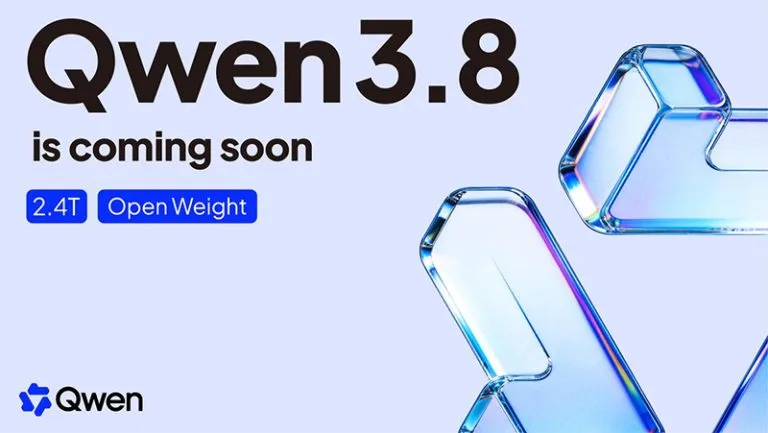
Alibaba Unveils 2.4 Trillion Parameter AI Model Qwen3.8 with Multimodal Capabilities
July 19, 2026

After nearly three weeks of legal proceedings, Elon Musk has lost his case against the founders of OpenAI and Microsoft. The lawsuit, which accused them of betraying the original charitable mission of OpenAI and using the startup for personal financial gain, was ultimately dismissed by the court.
The decisive factor in the dismissal was the statute of limitations. The court found that Musk’s claims were not filed within the allowable legal time frame, rendering the lawsuit invalid regardless of the substance of the allegations.
The dispute centered around Musk’s contention that the direction OpenAI has taken deviated from its initial vision as a charitable initiative dedicated to benefiting humanity. Instead, Musk alleged that the organization evolved into a profit-driven entity, with strategic ties to Microsoft that compromised its original intentions.
Despite the serious nature of these allegations, the court focused primarily on procedural grounds. The statute of limitations — the maximum period after an event within which legal proceedings may be initiated — had already expired by the time the complaint was submitted, leading to the rejection of the case.
This ruling closes the chapter on Musk’s direct legal challenge to OpenAI’s founders and Microsoft. It underscores the importance of timely legal action when raising claims related to organizational conduct and business strategy in the fast-evolving tech and AI sectors.
While the lawsuit’s dismissal does not address the merits of the accusations, it highlights ongoing tensions around governance, mission, and profit in emerging artificial intelligence companies.
A court has dismissed Elon Musk’s lawsuit against OpenAI and Microsoft citing that his claims were filed after the legal deadline expired.