Honor Launches X7e Smartphone in Russia Featuring 7200mAh Battery and AI Shortcut Button
July 21, 2026
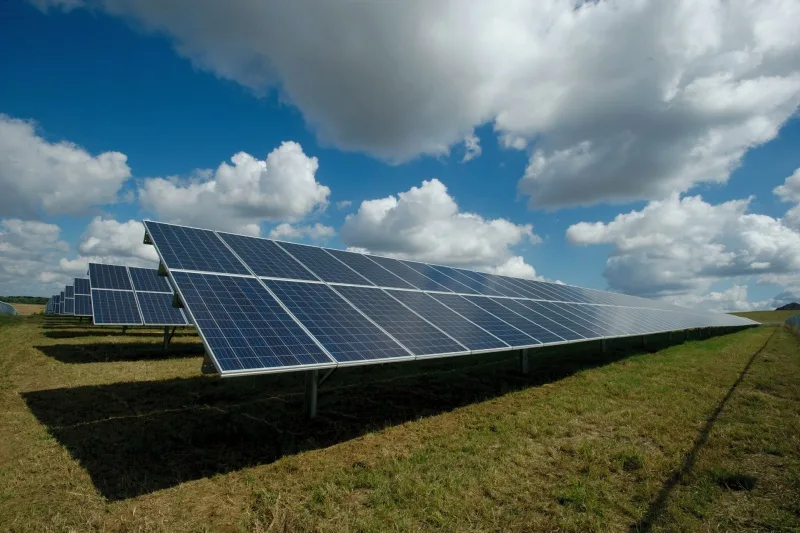
The landscape of global electricity generation is poised for a significant transformation in the upcoming decade as solar power is expected to surpass coal, oil, and natural gas to become the world’s primary source of electricity. This change is occurring alongside an unprecedented surge in energy consumption fueled by the expansion of artificial intelligence (AI) technologies and the comprehensive electrification of various industrial sectors.
According to research conducted by analytics firm BloombergNEF, the affordability of solar energy has reached a tipping point where it is deemed too cost-effective to overlook. This economic advantage is driving accelerated adoption rates and increasing the share of solar energy in the global electricity mix. The report highlights that this shift is not merely a matter of environmental policy but an inevitable evolution within the energy market itself, shaped by falling costs and rapid technological advancements.
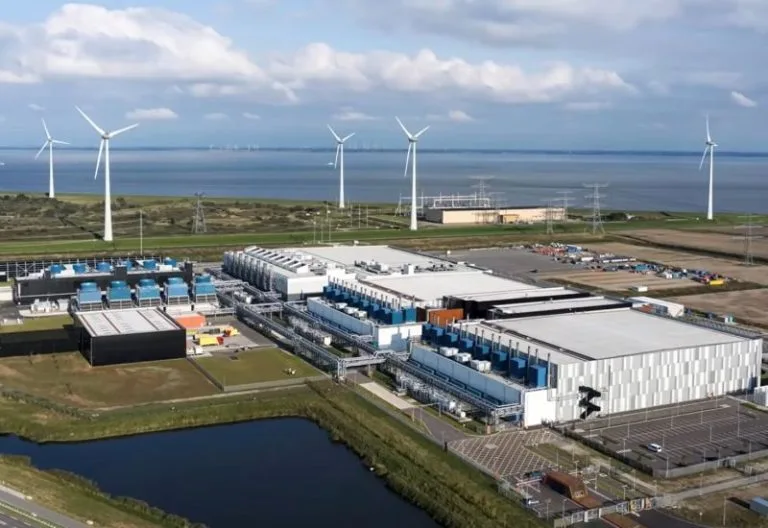
Simultaneously, AI development is leading to a historic growth in overall energy demand. Advanced AI infrastructures, including data centers and computing resources, require substantial and reliable power inputs. Furthermore, the electrification of broad industrial activities—from manufacturing processes to transportation—adds to the rising electricity needs.
Despite the promising outlook for solar energy, AI-related growth and expanding energy consumption suggest that fossil fuels are unlikely to be fully phased out in the near term. While solar energy dominates the renewable sector, coal, oil, and natural gas maintain a role in meeting continuous and flexible energy requirements, especially as industries adapt to new consumption patterns and technologies.
The dynamic interplay between these forces underscores a complex energy transition where renewable sources compete with traditional fuels against a backdrop of rapid technological evolution. Investments in solar infrastructure are expected to accelerate, but a balanced energy portfolio may persist well into the future to ensure grid stability and meet growing global demands.
Industry observers recognize the next decade as critical for embedding solar power as a cornerstone of the world’s energy system, leveraging affordability and environmental benefits amid rising consumption driven largely by AI and industrial electrification trends.
Solar power is projected to become the leading global electricity source in the 2030s, driven by AI growth and industrial electrification.