App Store Sees Surge in New Apps Amid Growth of No-Code Platforms in Early 2026
July 21, 2026
As the global demand for artificial intelligence (AI) grows, so does the energy consumption associated with running massive data centers. In China, where electricity production currently exceeds that of the United States by roughly twofold, a significant proportion of this power is consumed by cooling systems designed to keep AI servers operating efficiently. However, concerns about the sustainability of existing cooling solutions have prompted researchers to look for novel approaches.
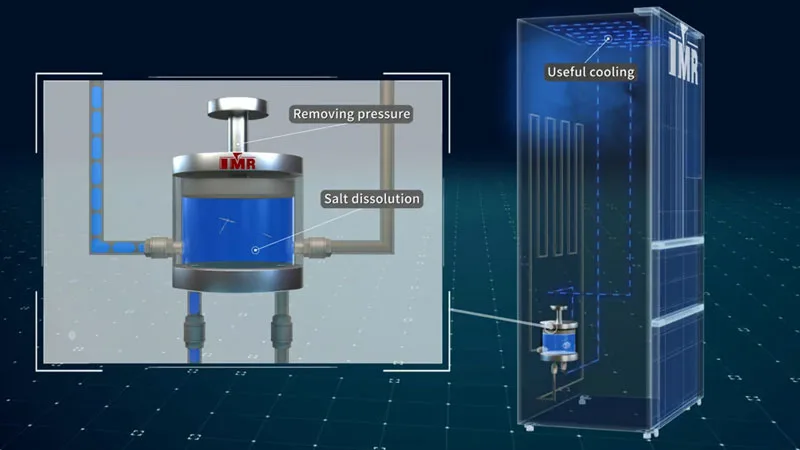
A team of Chinese scientists has unveiled a novel cooling method capable of rapidly lowering the temperature of AI server systems within just 20 seconds. Notably, this new technique achieves the cooling effect without the use of freon or other traditional refrigerants, which have longstanding environmental concerns.
Traditional data center cooling relies heavily on energy-intensive systems that circulate refrigerants like freon, chemicals linked to ozone depletion and global warming. As data centers continue to expand worldwide, the environmental footprint of these cooling mechanisms is becoming increasingly problematic. The introduction of a freon-free method that can quickly stabilize server temperatures could represent a meaningful step forward in sustainable data center operation.
While the full technical details of the shock-freezing method have not been widely published, the approach is reported to drastically reduce the time required to cool down hardware used in AI computations. Such rapid cooling could help improve server performance and longevity by minimizing overheating risks and reducing the energy needed to maintain operating temperatures.
China’s current energy output advantage over the US places it in a strong position to advance AI technologies. However, sustaining this edge will require addressing infrastructural challenges like efficient cooling. The new shock-freezing development signals an important direction for mitigating the escalating energy demands linked with growing AI workloads and data center expansion.
Looking ahead, research into alternative cooling methods—including those that eliminate environmentally harmful refrigerants and cut energy use—will be increasingly critical. This Chinese breakthrough could inspire further innovation in the field and inform the design of next-generation thermal management systems for global AI infrastructures.
By exploring unconventional cooling strategies, the tech community aims to balance AI’s rapid advancement with environmental responsibility and resource management, anticipating a future where data center efficiency remains aligned with global sustainability goals.
Chinese scientists devise a new cooling technique for AI servers that cools systems in 20 seconds without using freon, addressing future data center challenges.