Popular PC Components in Russia Highlight Nvidia RTX 50 Series and 1TB NVMe SSDs
July 21, 2026
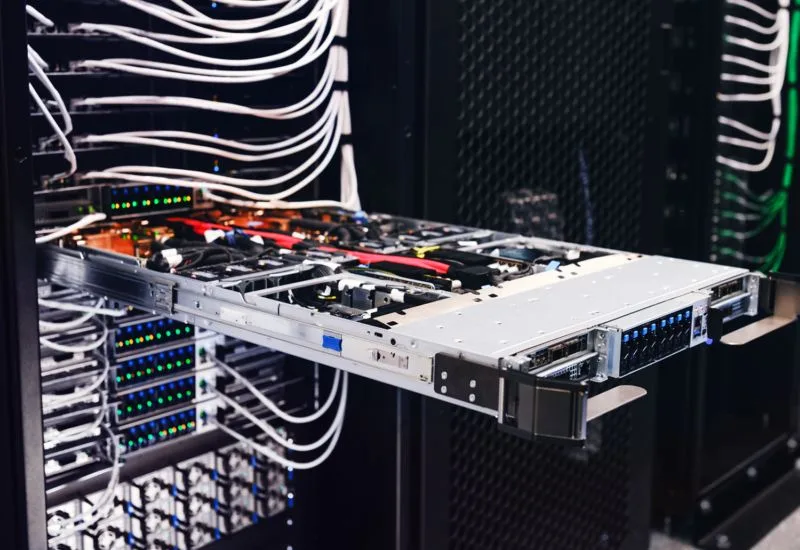
Taiwanese law enforcement has detained three individuals suspected of smuggling Nvidia server accelerators into China in breach of U.S. export controls. The suspects allegedly attempted to forge documentation to facilitate the illegal transfer of the high-performance computing equipment.
The arrests highlight ongoing challenges in enforcing technology export restrictions aimed at limiting access to advanced computing components. While previous smuggling cases have mainly involved citizens from China, Singapore, and Malaysia, the recent incident demonstrates that Taiwan is actively investigating similar violations within its jurisdiction.
Nvidia’s accelerators are critical components used in data centers and artificial intelligence applications, making them subject to strict regulatory scrutiny under current U.S. sanctions targeting China’s access to sensitive technologies. The Taiwanese case underscores the complexity of tracking and intercepting illicit shipments through falsified paperwork and transshipment tactics.
Authorities have not disclosed detailed information about the suspects or the exact shipment size but confirmed the use of counterfeit documents to conceal the nature of the equipment. These actions are part of broader efforts by various actors to bypass export controls protecting national security and technological leadership.
The investigation remains ongoing as Taiwanese officials continue to work with international partners to tighten controls on semiconductor and advanced hardware exports. The incident serves as a reminder of the global nature of enforcing export laws in an increasingly interconnected supply chain environment.
Taiwanese authorities arrested three individuals for attempting to smuggle Nvidia server accelerators to China, circumventing U.S. export restrictions.