Memory Chip Makers Face Potential DRAM Oversupply by 2028 Amid Massive Capacity Expansions
July 20, 2026
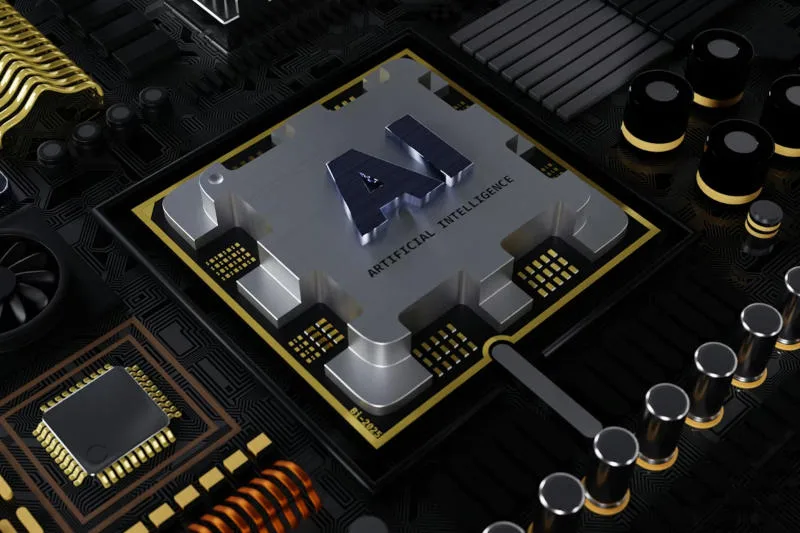
Generative artificial intelligence applications continue to gain popularity, but the growing demand for AI compute capacity has driven up the costs of operating these services. Developers and cloud providers face increasing infrastructure expenses as they deploy models at scale. While the next generation of graphics processing units and specialized AI accelerators is designed to make AI inference more efficient, the financial benefits are unlikely to be immediately visible to end users.
AI inference—the process of running trained models to generate real-time outputs—requires significant computational power. Currently, this dependence on powerful hardware leads to steep infrastructure costs, reflecting in the pricing of AI-powered applications and services. The industry is responding with new hardware architectures that focus on accelerating AI workloads more efficiently and at lower power consumption.
Graphics processing units (GPUs), traditionally central to AI tasks, are evolving alongside dedicated AI accelerators designed specifically for machine learning inference. These technologies promise higher throughput and better energy efficiency, potentially reducing the cost per inference operation.
However, despite improvements in raw hardware performance, the scale at which AI models operate continues to grow rapidly. Larger models, more frequent user queries, and increasing complexity all contribute to continued pressure on resources.
The net effect is a gradual easing of cost growth rather than a sharp drop. Savings at the hardware level may take time to translate into lower prices for consumers due to the lagging impact of operational overhead and investment recovery.
Industry observers caution that while the advancements are promising, users of AI-enabled applications might not immediately notice any substantial reduction in their subscription or usage fees. The ongoing expansion of AI services and the evolving infrastructure needs create a dynamic environment where cost structures are continually shifting.
In summary, emerging AI hardware innovation is set to improve the economics of inference tasks, but end users should not expect a rapid or dramatic decrease in the prices of generative AI products and services in the near term.
New AI processors promise cheaper inference, yet rising infrastructure expenses keep consumer costs largely unchanged for now.