Nvidia GPUs Can Report Individual GDDR6 and GDDR6X Memory Chip Temperatures, Enthusiasts Discover
July 19, 2026
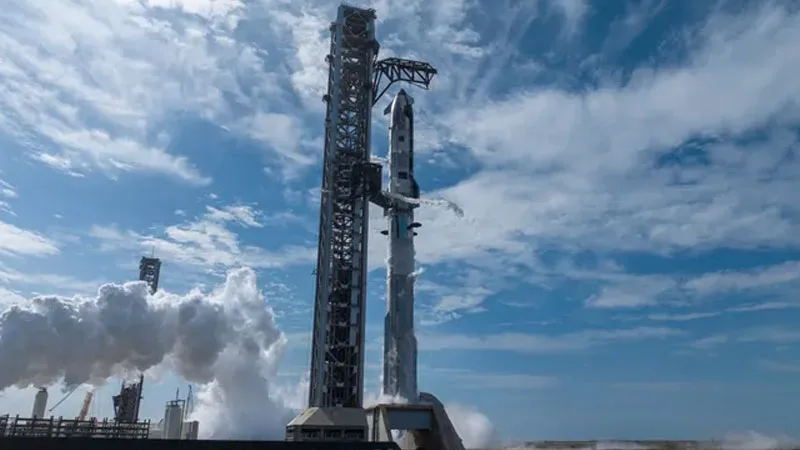
On May 22, SpaceX conducted the inaugural flight test of its latest space vehicle, the Starship V3, along with the Super Heavy V3 booster. The launch occurred from SpaceX’s Starbase facility in Texas, marking a significant milestone for the company’s next-generation heavy-lift rocket system.
The countdown progressed as scheduled, with liftoff occurring on time. The vehicle’s ascent proceeded nominally through the launch phase, including the critical stage separation under high temperature conditions. However, during the flight, one of the Starship’s engines shut down unexpectedly.
Despite this mechanical issue, the rocket continued to follow its planned trajectory, demonstrating resilience and robust engineering design. The Super Heavy booster and Starship performed separations and maneuvers in accordance with mission objectives, further validating the systems integrated into the new V3 versions of both the booster and the spacecraft.
This mission represents the first time SpaceX has flown the third iteration of its Starship and Super Heavy booster. Both vehicles have been developed to improve performance, reliability, and payload capacity compared to earlier models. The combination will be crucial to SpaceX’s ambitions of deep space missions, including potential crewed flights to the Moon, Mars, and beyond.
The flight test’s success in maintaining mission plans despite the engine outage provides valuable data for engineers working on final refinements. Although the engine shutdown was an unexpected development, the spacecraft’s ability to adjust and complete its intended flight path highlights advances in fault tolerance and flight control capabilities.
Details such as the exact cause of the engine failure and the mission’s full post-flight analysis have not yet been made public. SpaceX typically uses these tests to iterate rapidly, addressing any issues encountered to enhance future launches.
The Starship system’s progress is closely watched by the aerospace community and commercial space sectors alike, given its potential to revolutionize space access with fully reusable, high-capacity vehicles. This first test flight of the V3 models is a critical step on the path toward operational status and commercial service.
SpaceX continues to develop its Starship program at its Texas facility, where it has invested heavily in infrastructure for manufacturing, testing, and launching these massive rockets. Future test flights will likely build on the achievements and lessons from this recent launch.
SpaceX successfully launched the new Starship V3 and Super Heavy V3 booster, overcoming an engine shutdown during the mission.