Oracle’s Debt Challenges Threaten AI Data Center Project for OpenAI
July 21, 2026
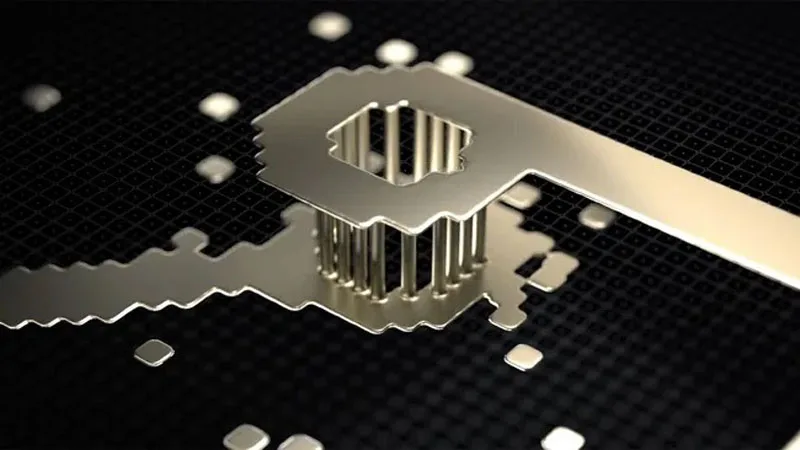
Prototyping printed circuit boards (PCBs) traditionally involves lengthy processes that require engineers to wait for new physical versions after each design modification. Addressing this longstanding challenge, the American startup Itera has introduced a breakthrough solution that dramatically speeds up the PCB prototyping cycle using liquid metal technology.
For engineers developing electronic devices, revising PCB layouts is an iterative task hindered by slow turnaround times for physical prototypes. After each design adjustment in CAD software, teams typically must wait for manufacturers to produce updated boards, resulting in delays that can extend development timelines substantially.
Itera aims to bypass this bottleneck by enabling near-instantaneous changes to the physical circuitry of prototype boards. The startup utilizes liquid metal to reconfigure conductive pathways on PCBs at speeds vastly exceeding conventional methods. This approach promises to compress prototyping times by up to 1,000 times compared to traditional manufacturing cycles.
The technology allows for rapid, flexible manipulation of circuit layouts in a physical prototype, essentially bringing the speed of digital design adjustments to tangible boards. As a result, engineers can evaluate multiple design iterations swiftly, significantly enhancing testing and validation efficiency.
While details about the implementation remain limited, the principle behind Itera’s innovation addresses a critical pain point in electronics development: making real-world hardware changes as fast as software edits. This capability has the potential to accelerate product development across industries reliant on custom PCBs.
Itera’s solution could especially benefit sectors where rapid iteration and hardware customization are essential, such as aerospace, automotive, consumer electronics, and IoT device manufacturing. Faster prototyping cycles might translate to shorter time-to-market and improved product quality by enabling more thorough testing within compressed schedules.
Currently emerging from stealth mode, Itera has demonstrated the ability to modify PCB layouts physically before a coffee break is over, underscoring the speed and practicality of their system. The company’s approach marks a significant leap forward from conventional prototyping practices, which depend on fixed copper traces and time-intensive production steps.
As the electronics industry continually seeks more agile development methodologies, innovations like Itera’s liquid metal PCB reconfiguration present compelling opportunities to rethink hardware prototyping. Further information about commercial availability, pricing, and integration options has yet to be disclosed.
In summary, Itera’s pioneering use of liquid metal for dynamic PCB prototyping could reshape how engineers create and refine electronic circuits. By bridging the gap between digital design agility and physical hardware adaptability, this startup introduces a new paradigm for fast, efficient printed circuit board development.
Itera, a US startup, accelerates PCB prototyping by 1,000 times using liquid metal to instantly modify circuit layouts.