Oracle’s Debt Challenges Threaten AI Data Center Project for OpenAI
July 21, 2026
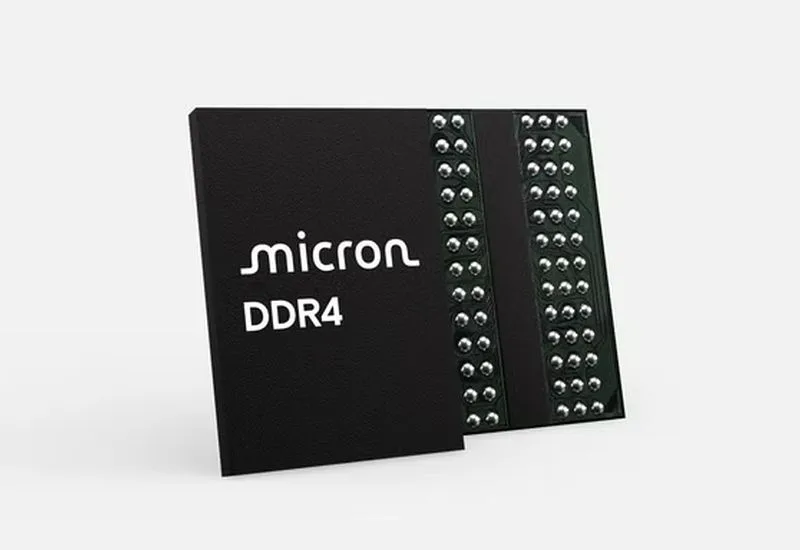
Amid ongoing challenges with the supply of DDR5 memory modules, manufacturers of memory components and motherboards have begun to increase their output of DDR4-related products. This development highlights a renewed interest in DDR4 technology, which was previously considered to be nearing the end of its product lifecycle.
The sustained high demand for DDR5 memory in the server sector has created a shortage that has rippled into the consumer market. With DDR5 modules in limited supply, many users and system builders are turning back to DDR4 as a more accessible alternative. This shift is influencing manufacturers who are responding by ramping up production lines for DDR4 modules and compatible motherboards.
DDR4 memory, once expected to be phased out as DDR5 adoption increased, has reclaimed a significant role in the memory market. As major memory and hardware producers refocus their manufacturing efforts, products based on DDR4 technology are returning to production floors. This move also reflects a strategic response to current market demands where the balance between availability and performance requirements favors the older standard for many consumer applications.
Motherboard manufacturers are adjusting their portfolios to accommodate this trend by offering models that support DDR4 memory, catering to users facing constraints in obtaining DDR5 components. The increased production addresses the needs of both new system builds and the replacement or upgrade markets.
Industry observers note that this reactivation of DDR4 production lines underscores the complexity of the transition between memory generations, which does not always proceed in a straightforward, linear fashion. Instead, supply chain dynamics and sector-specific demands can extend the lifecycle of an existing technology.
With the memory market balancing between new DDR5 adoption and sustained DDR4 usage, the choices consumers and enterprises face are increasingly dictated by availability and production capacity. Manufacturers’ adaptability in ramping up DDR4 output suggests a commitment to meeting these evolving market conditions while supporting a wider user base.
While specific details about production volumes, pricing, and future plans have not been disclosed, the current strategy indicates a flexible approach in responding to the ongoing memory supply challenges.
Manufacturers are boosting DDR4 production as DDR5 shortages in servers push consumer markets to rely on older memory technology.