Oracle’s Debt Challenges Threaten AI Data Center Project for OpenAI
July 21, 2026
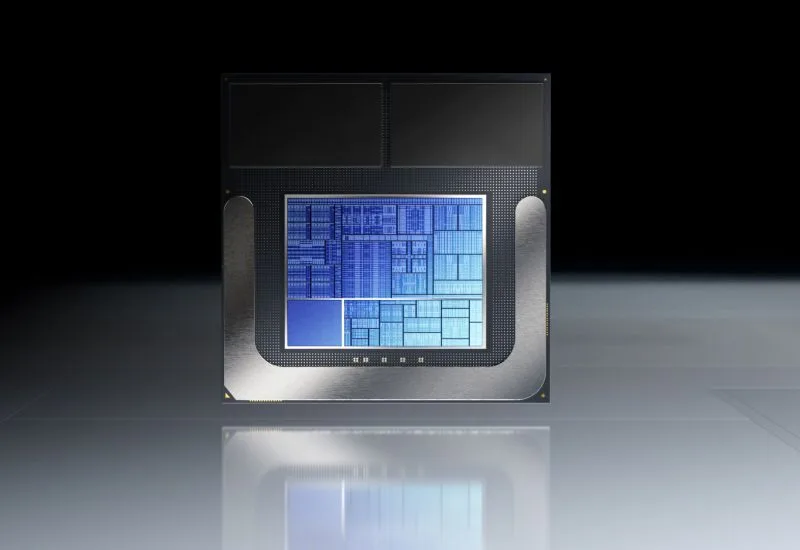
The global shortage of semiconductor chips continues to put pressure on major manufacturers, prompting Intel to adjust its production strategy in 2026. The chip deficit has extended beyond the server segment and is now influencing key areas within the consumer market.
Intel’s Chief Financial Officer recently disclosed plans to escalate the manufacturing volume of processors built on the company’s 10nm technology, also referred to as Intel 7. This approach demonstrates a response to the ongoing supply constraints despite the chip’s technology being considered less advanced compared to the latest node generations.
The semiconductor industry has been grappling with persistent supply chain challenges that affect various categories, including CPUs used in both data centers and personal computing devices. Intel’s decision to amplify the output on its mature 10nm process node highlights the company’s attempt to balance production capacity across its portfolio to meet demand.
This shift arises from Intel’s need to reallocate production resources effectively, especially as demand surges across different sectors. The increased volume in 10nm chips indicates that Intel is leveraging its existing manufacturing infrastructure to mitigate shortages, accepting that this may impact certain segments of the consumer market temporarily.
While newer process technologies such as Intel 4 or Intel 3 are typically prioritized for cutting-edge processors, the pressures of chip scarcity have led to an emphasis on the more established 10nm technology. This not only helps maximize output but also supports Intel’s product availability in a challenging supply environment.
The company has not provided detailed information regarding the extent of the production increase or the specific product lines impacted. However, this move reflects the broader industry trend of utilizing every feasible production avenue to alleviate semiconductor shortages affecting electronics manufacturers worldwide.
Intel’s strategic adaptation emphasizes the ongoing complexity of managing chip supply in a fluctuating market. As demand for consumer and server processors remains robust, companies like Intel face the dual challenge of advancing cutting-edge technology while also ensuring stable supply through established manufacturing processes.
This year’s enhanced focus on 10nm chip output serves as a reminder of the intricate balancing act semiconductor companies must perform to navigate supply chain pressures while addressing the evolving needs of diverse market segments.
Intel plans to boost output of 10nm processors this year as chip shortages impact both server and consumer markets.